- No.
- H-0525
- Fam.
- Juncaceae
- Loc.
- Kořenov station, western Krkonoše
- Leg.
- Josef Hanuš, stationmaster, 3 July 1954
H-0525HerbariumJuncaceae
Stationmaster's rush
Juncus constans
ArchivedA stationmaster pressed a rush from his own platform in 1954; everyone who has written about it since stays 11.4 km from that platform.
- Collected at
- Kořenov station, western Krkonoše
- Date
- 3 July 1954
- Collector
- Josef Hanuš, stationmaster
- Anomalies
- TerritorialNumerical
Sequenced fragment
GGTTCAAGTCCCTCTATCCCGTCCAGTCCAGTCCAGTCCAGTCCAGTCCAGTCCAGTCCAGTCCAGTCCAGTCCAGTCAAAAAGAAGGATTCGAATT
Contents 6 sections
Description
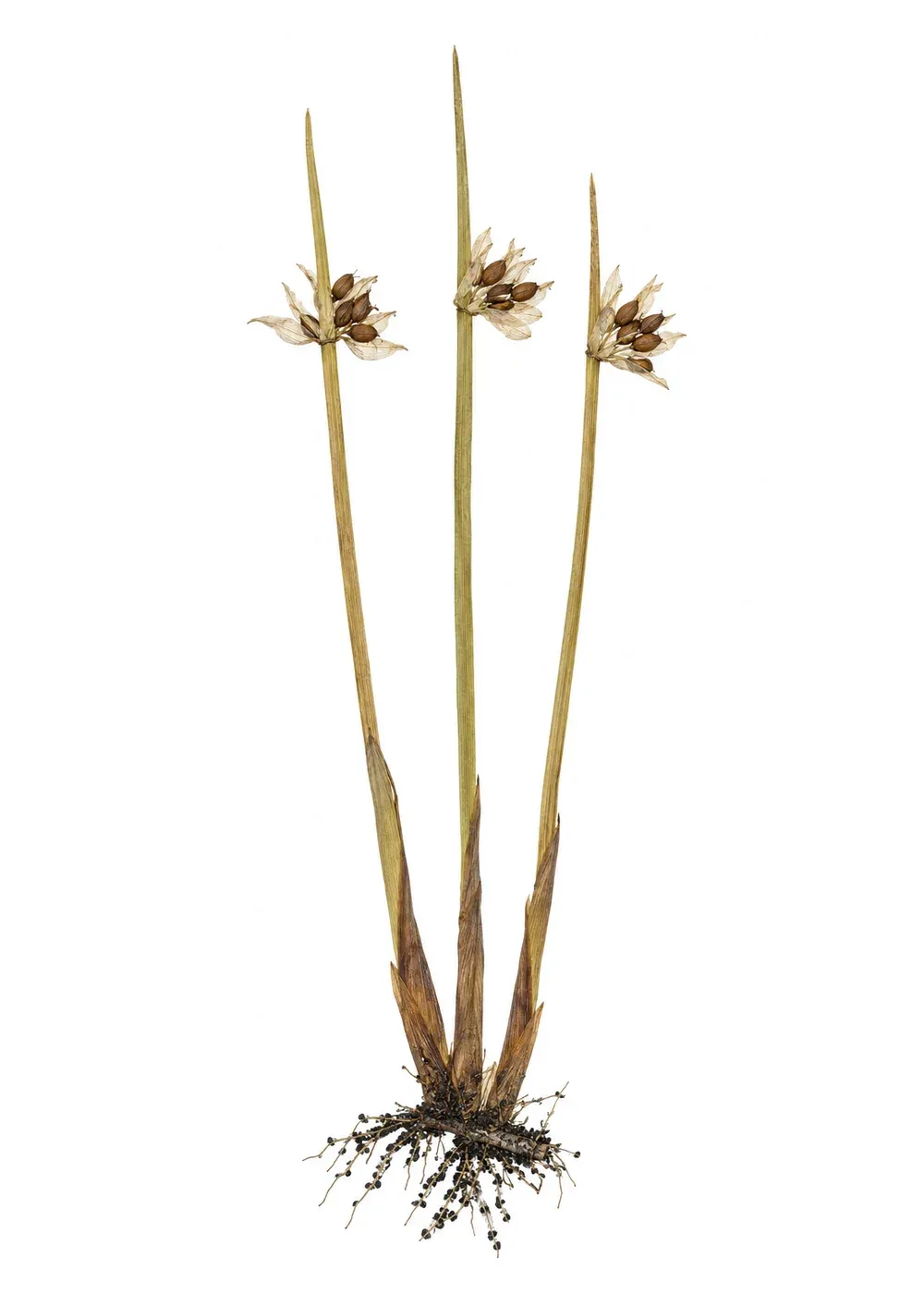
A slender perennial rush, pressed whole with a 4 cm piece of creeping rhizome. It has three culms, 28–31 cm long. They are round in section and smooth, with continuous pith, and have dried from pale straw-green to tan. The basal sheaths are brown and have no blades. The inflorescence looks lateral because the lowest bract continues the line of the culm. It is a loose cluster of four to seven flowers. Tepals are 3–4 mm, pale brown with a green midrib and membranous margins. Capsules are ovoid, blunt and mucronate, about as long as the tepals and chestnut-brown, and many still hold seed. Coal cinder from the station ballast is caught among the roots.
Observations
In every measurable respect the plant is an ordinary rush close to thread rush (Juncus filiformis), except that on all three culms the inflorescence arises exactly 114 mm above the base. What is wrong concerns the people who write about it. There are four known writers: of a label, a letter, a phrasebook and a lecture. Each of them afterwards found the platform at Kořenov station to be 11.4 km away, from wherever they were. Walking towards it does not shorten the distance. Moving some 190 km to Olomouc did not lengthen it. Three of the four report hearing Kořenov trains on still days, at minutes that match the station timetable. None has stood on the platform again. Reading about the specimen and handling the sheet have no recorded effect.
The file
The sheet and its file came to the Conservatory in 1968. They were posted from a parish near Jihlava by Fr František Lánský, parish priest at Kořenov until the authorities moved him in 1959. Two of his parishioners had written about the rush: the stationmaster Josef Hanuš, on its label, and the seminarian Jiří Matouš, in a letter of 1955. Lánský typed the phrasebook for them on the presbytery machine. He typed the rubrics on the red half of the ribbon; they are set here in italics. He read the lecture notes backwards off another typewriter’s ribbon. Each document is shorter than the one before, and so are his notes in the margins. His covering letter reads, in full: For the sheet. F. L.
When Kořenov stays 11.4 km away
Typed insert sewn into a Krkonoše tourist phrasebook, compiled by Fr František Lánský, parish priest at Kořenov
For J. H. and J. M., and whoever comes after. Say the black; do the red.
When you have written about it
For the household, the first evening.
- Zítra na nádraží nedojdu. I won’t get to the station tomorrow.
- No, I am not ill.
- Je to jedenáct celých čtyři kilometru. It is 11.4 kilometres. It will stay 11.4.
- Go without me. The train will be on time.
Do not show them the sheet. Mr Hanuš showed his wife. She was kind about it, and it did not help.
At a new posting
For the landlady, the sergeant, the confessor.
- I walk before morning prayers. I am back by seven.
- It is two hours from my door.
J. M. writes from Olomouc that it is two hours from every door. He has tried three.
When asked where you are going
- Do Kořenova. To Kořenov.
- Yes, I know how far it is.
- Not far.
When you hear the train
Still days. Check your watch.
- To je ten v šest dvanáct. That is the 6:12.
At the platform
Nothing needed here yet.
Slides 1–5 — A rush from platform one
Notes for a public lecture at the Hradec Králové museum in 1957 by Dr Emil Rambousek, botanist, read off his typewriter ribbon by Fr F. Lánský
[F. L.: Read backwards off the museum ribbon at the sacristy window. The typescript went with him.]
Slide 1 — Rushes above Tanvald
Thread rush and its relatives grow on wet acid ground above 700 metres. Common, and easily overlooked. Most of you have walked past it on the way to a train.
Slide 2 — A sheet from Kořenov
Collected by the stationmaster, Mr Hanuš, from between the sleepers at the end of platform one. Look at his label: a railwayman’s hand, used to timetables. [F. L.: My parishioner.]
Slide 3 — The label
He wrote it on Saturday 3 July 1954. He has not stood on that platform since. He answers letters from Tanvald, courteously, about the weather.
Slide 4 — My own notes
I made these in March. Since then I measure. [Struck over from here.]
Slide 5 — The window
Open it, please.
Questions from the floor
Wait. That is the 6:12.
Genetic analysis
Tissue from the culm bases was sequenced in 1994 and again in 2011. The plastid trnL–F region places the specimen beside thread rush, Juncus filiformis. GC content across the region is 33.8%, which is ordinary for the genus. The fragment shows the start of the spacer, where rushes carry a short GTCCA repeat. In related species it runs to three to nine copies, varies between neighbouring plants and stutters in every run. Here it runs to eleven copies and a two-base remainder, 11.4 units, in both extractions and all forty-one reads, with no stutter at all. Someone has pencilled 11.4 in the margin of the 1994 run sheet. It was the technician, who had not seen the file. She was not told what it meant, and has not asked.
Cultivation
Not cultivated. The capsules on the sheet hold perhaps two hundred seeds, and a rush of this kind would grow easily in wet acid compost in a cold frame. The problem is the growing log. The Glasshouse requires one for every accession, and keeping it would mean writing about the plant. No member of staff has volunteered.
Kořenov station is still in use. Platform one has been resurfaced twice. A colleague who visited in 2011 found no rushes at its end, and took no notes.
Effects
As far as the file can follow them, those who write about the specimen stay 11.4 km from the platform for the rest of their lives. None reports any harm beyond the practical. They keep early hours and walk a great deal.
- Josef Hanuš took clerical work at Tanvald and retired in 1969.
- Jiří Matouš was ordained in 1958 and served parishes in Moravia. His letters mention the walk, never the distance.
- Emil Rambousek left the museum in 1958. By his own account, every address he gave after that was within earshot of the 6:12.
- František Lánský died near Jihlava in 1979.
Staff refer to the specimen only as H-0525. Whether writing a number counts as writing about it has not been tested, and will not be.
Filed alongside
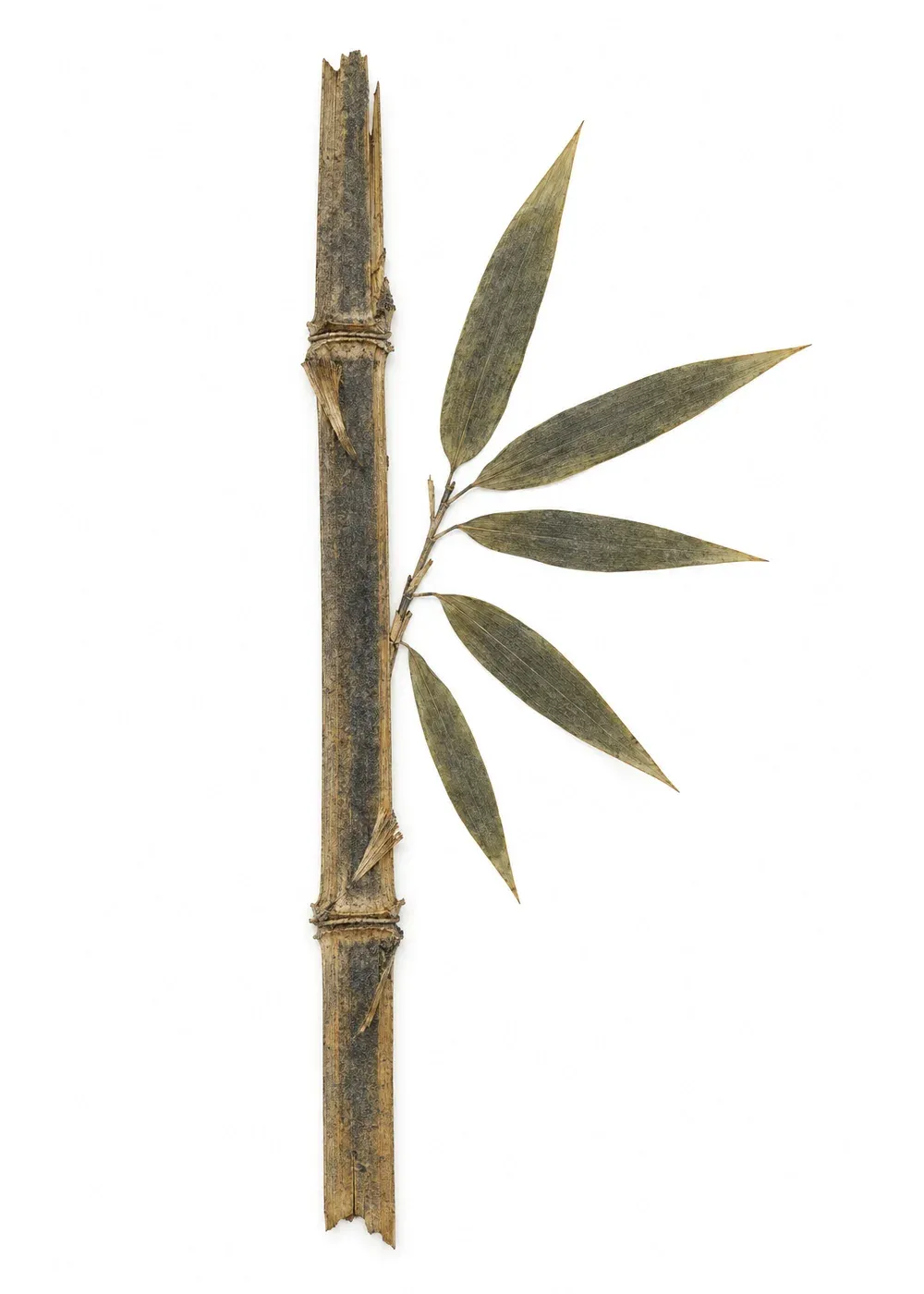
Fire-Refusing Cane
Phyllostachys algida
A pressed bamboo cane is why a Tangier loft burned for nine hours in 1898 and nothing in it got warmer than 21 °C.
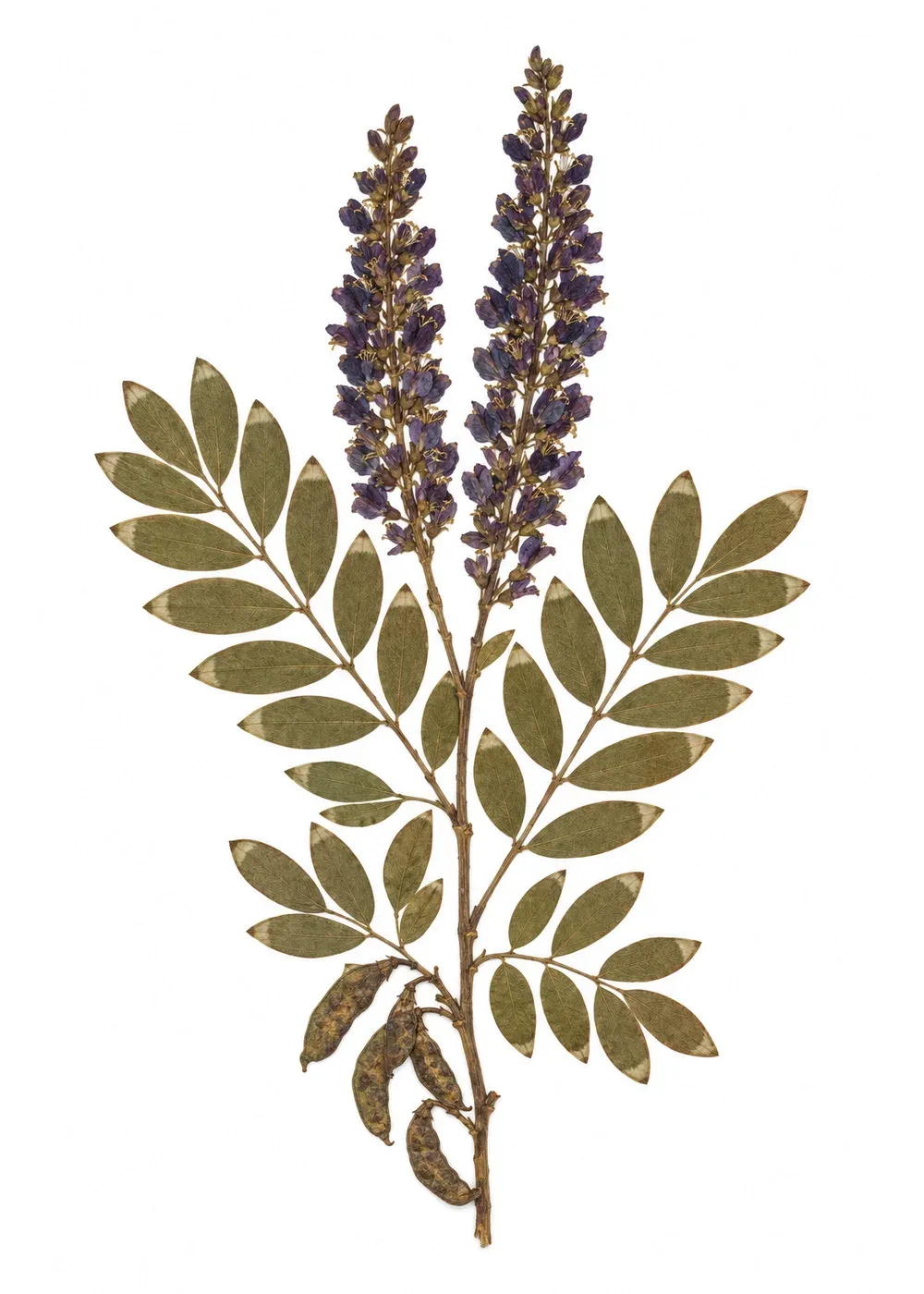
Expected-Value Indigo
Amorpha fruticosa
A false indigo pressed in 1915 keeps the sky over it at the average: 0.14 inches of rain a day at Yazoo City for seventy-six years.
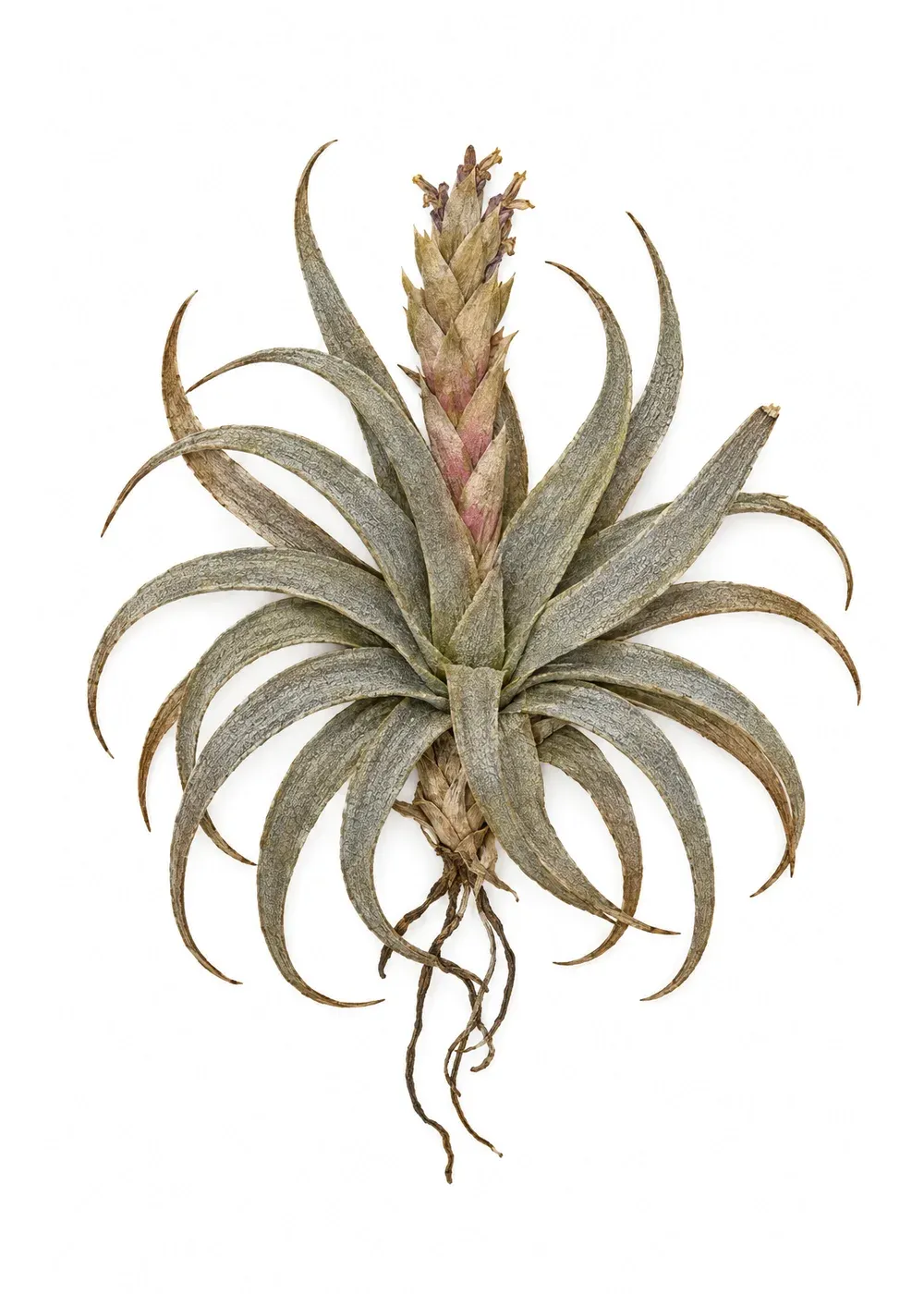
Thirty-Round Tillandsia
Tillandsia rivasii
A pressed Atacama air plant makes every circle near it exactly three diameters round, and a ship's purser had to restate its drum for customs.