- No.
- H-0231
- Fam.
- Bryaceae
- Loc.
- Signal box, disused Ostrava line
- Leg.
- J. Šimek, railway clerk, 1962
H-0231HerbariumBryaceae
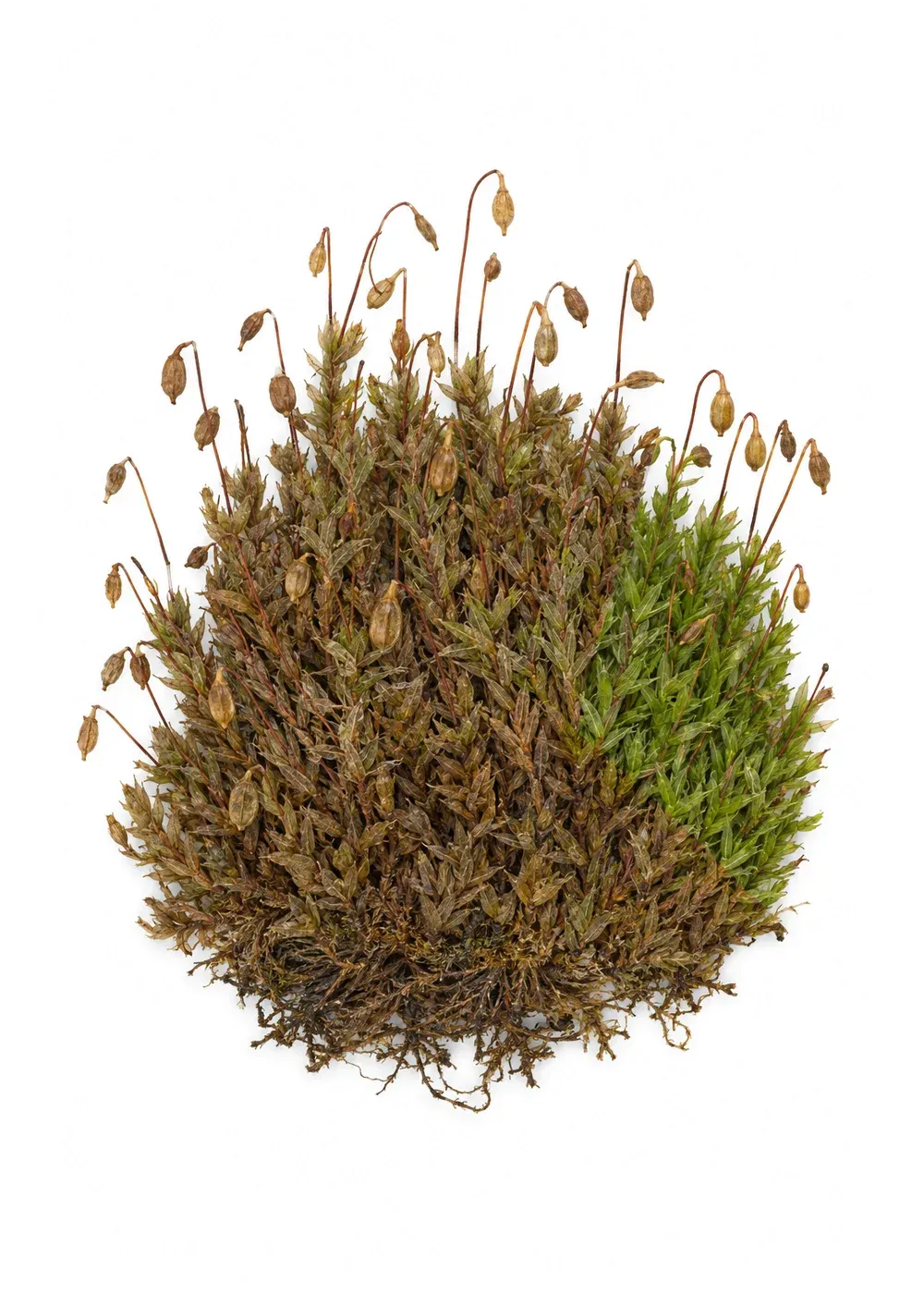
Lamplighter's Moss
Bryum vesperale
ArchivedA cushion moss that photosynthesises from attention rather than light, and dies in rooms nobody visits.
- Collected at
- Signal box, disused Ostrava line
- Date
- 1962
- Collector
- J. Šimek, railway clerk
- Anomalies
- Emotional response
Sequenced fragment
TTAGCCGATCGATTGGCATTAGCCGATTACGTTAGCATGCATTAGCGGCATTAGCATCG
Description
A cushion moss forming dense, rounded tufts 2–4 cm tall and about 5 cm across, made of crowded upright stems with fine, lance-shaped leaves. Slender reddish stalks rise above the cushion, each ending in a small, drooping capsule.
Observations
The cushions stay bright green and thrive in complete darkness, provided they are looked at. Specimens kept in a locked cupboard for a month turned brown; the one kept on the clerk’s desk is still green after sixty years in a drawer — a drawer the clerk’s grandson opens every Sunday.
Genetic analysis
The chlorophyll pathway is present but switched off. Its role appears to be filled by a protein complex with no known homologue, active only when a person is within about four metres and facing the plant.
Cultivation
Not recommended. The moss competes for attention and becomes noticeably more vivid when other plants in the room are admired.
Effects
Observers report a mild compulsion to check on it.
Filed alongside
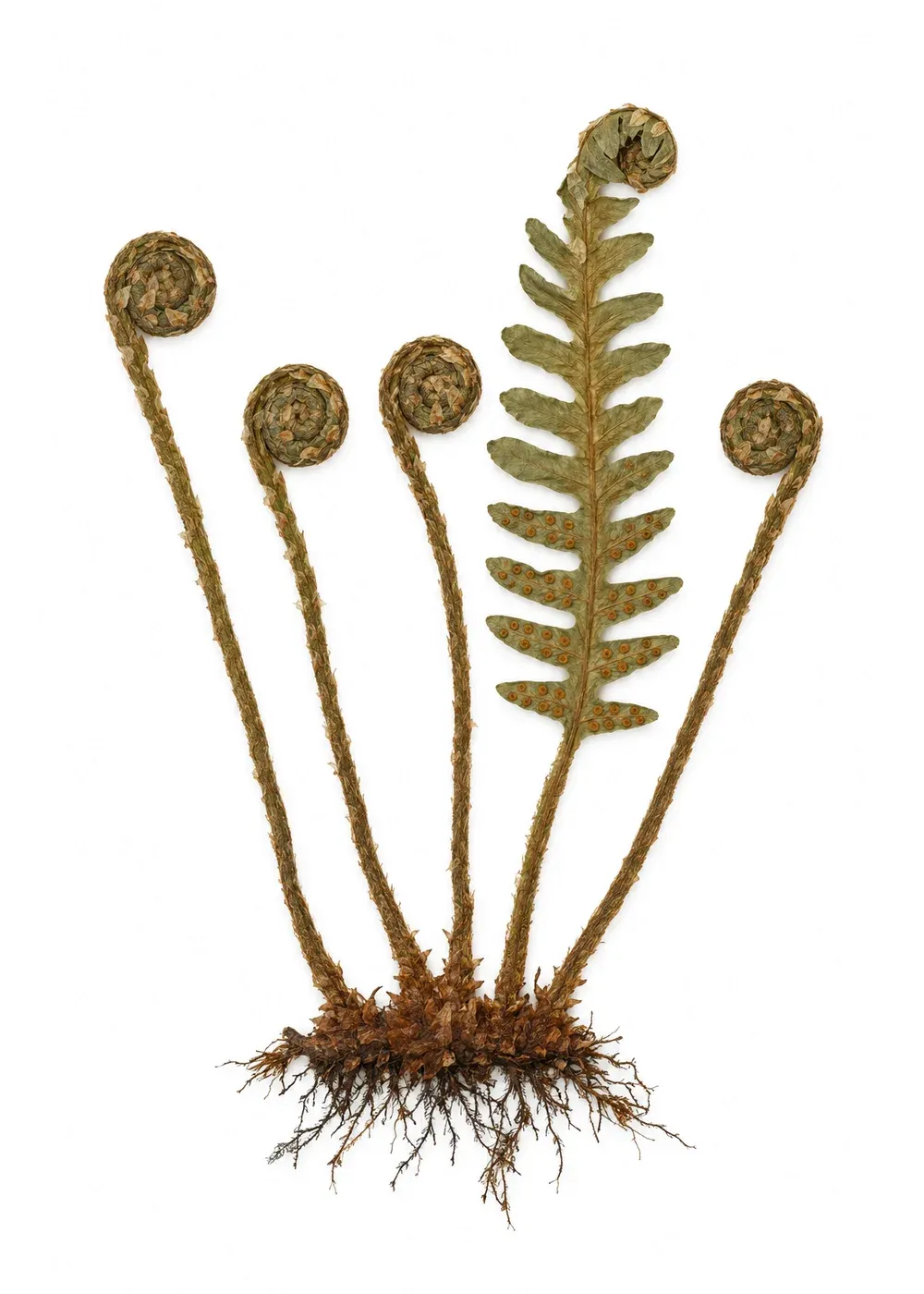
Widow's Fern
Polypodium memorans
An ordinary fern whose fronds uncurl only near the recently bereaved — and whose genome remembers who was lost.
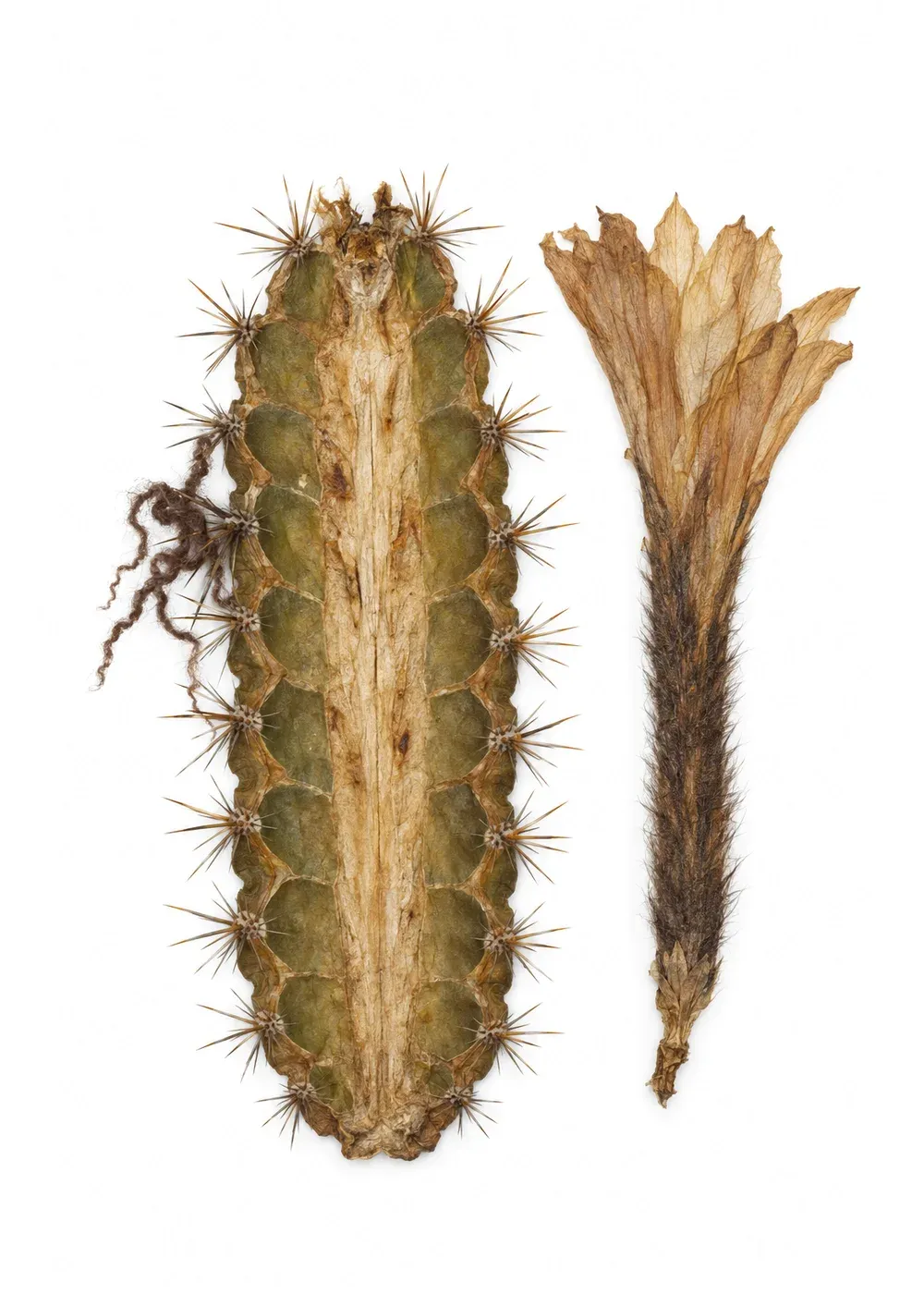
Stranger's Cactus
Echinopsis peregrina
In 1933 a Hoyvík woman asked a court to declare her husband an impostor, though the harbour clerk, the town and his wage book all disagreed.
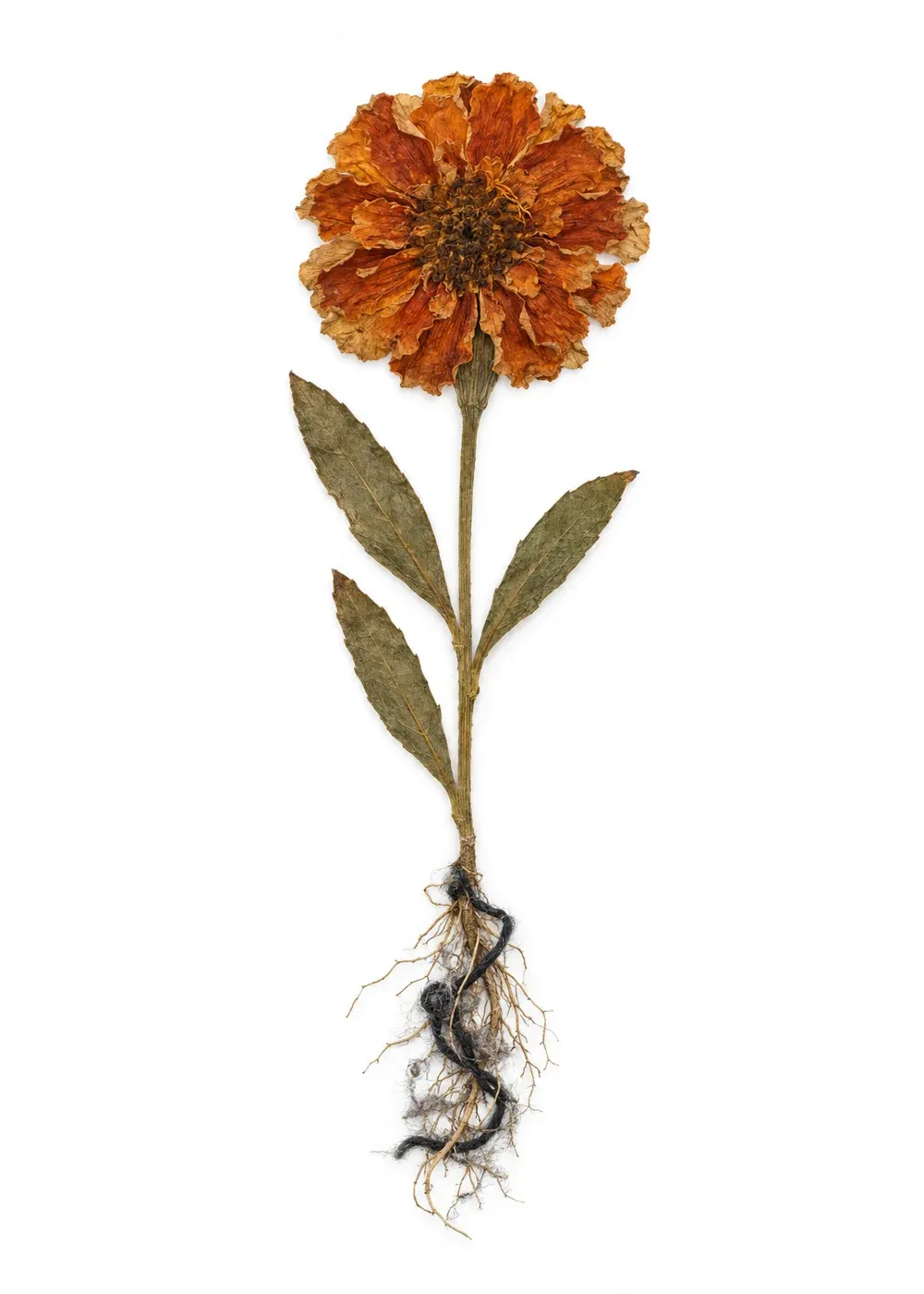
Funeral Laughter
Calendula hilarans
A marigold that sprouts only at funerals and makes the mourners remember something funny about the dead.