- No.
- H-0117
- Fam.
- Polypodiaceae
- Loc.
- Abandoned greenhouse, Brno outskirts
- Leg.
- Dr. L. Havel, 1987
H-0117HerbariumPolypodiaceae
Widow's Fern
Polypodium memorans
Under cultivationAn ordinary fern whose fronds uncurl only near the recently bereaved — and whose genome remembers who was lost.
- Collected at
- Abandoned greenhouse, Brno outskirts
- Date
- 1987
- Collector
- Dr. L. Havel
- Anomalies
- Human DNAEmotional response
Sequenced fragment
ATGGCTAAGTTCCGATCGGATTACGGATCACAGGTCTATCACCCTATTAGCCGTAAGCTTGCAAGTCCG
Description
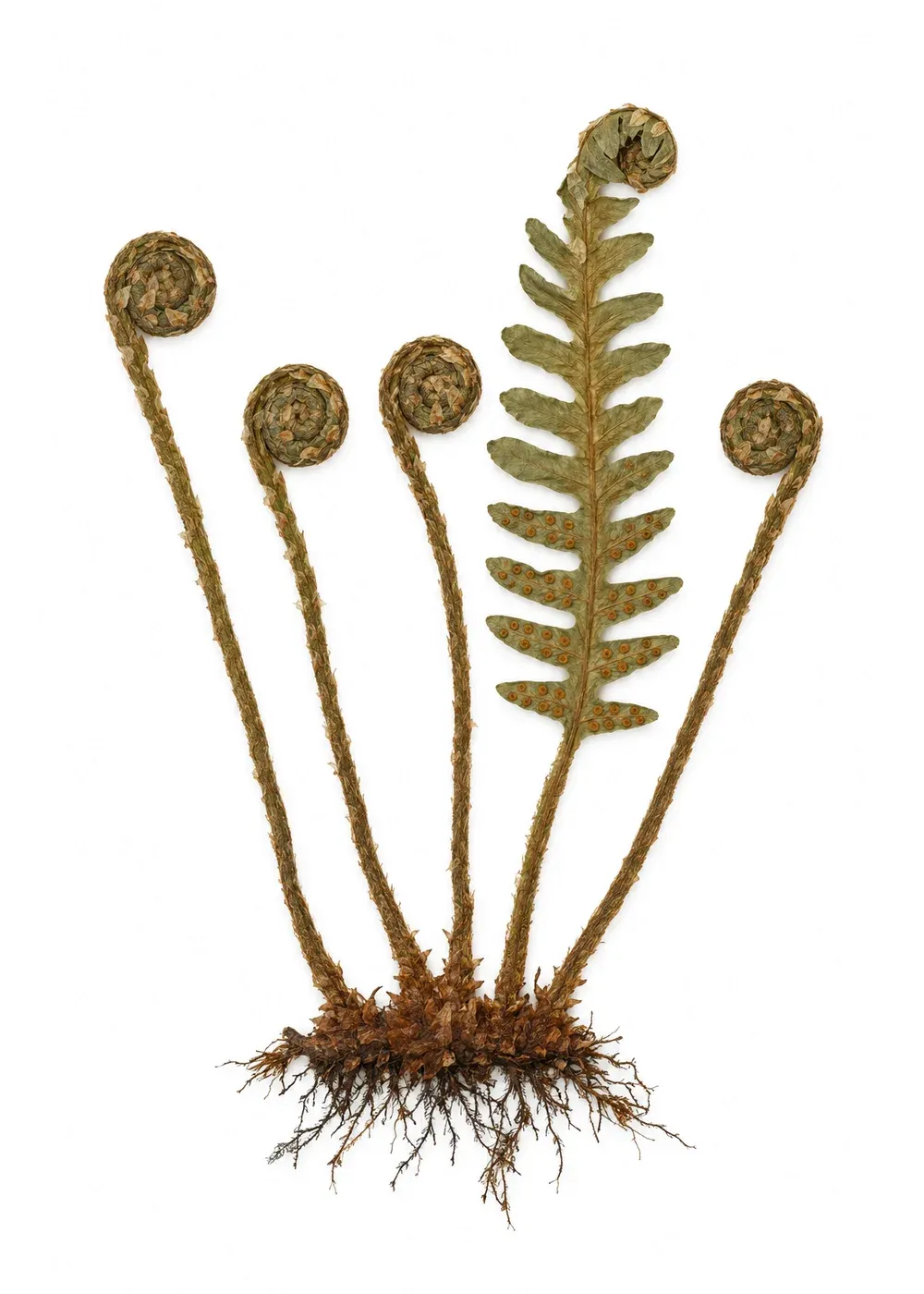
A small polypody fern with a creeping rhizome about 8 cm long, densely covered in rust-brown scales and trailing fine dark roots. Its fronds, up to 25 cm long when open, are narrow and deeply cut into blunt, alternate segments with round orange-brown sori beneath. Botanically it is indistinguishable from Polypodium vulgare.
Observations
The fronds remain tightly coiled in croziers for the life of the plant, uncurling only in the presence of a person who has lost someone close within the past year. Uncurling takes between four and eleven minutes and is fully reversible.
Genetic analysis
Routine barcoding returned a clean Polypodium profile with one exception — a 412 bp insertion in the chloroplast genome that is unmistakably human mitochondrial DNA. The sequence matched, to the base, a sample on file for Marta Havlová (d. 1986), the collector’s wife.
Every propagated specimen carries an equivalent insertion. None of them match Marta. Each matches someone who died near the place the new plant was grown.
Cultivation
Propagates readily from spores in standard fern compost. Prefers shade, humidity, and quiet. Three specimens are currently under cultivation in the north bay of the Glasshouse, where staff are asked not to linger.
Effects
None measurable on the observer. Several visitors have described the uncurling as “being recognised”. Two have asked to take a spore print home. Requests are declined.
Filed alongside
Mending Ivy
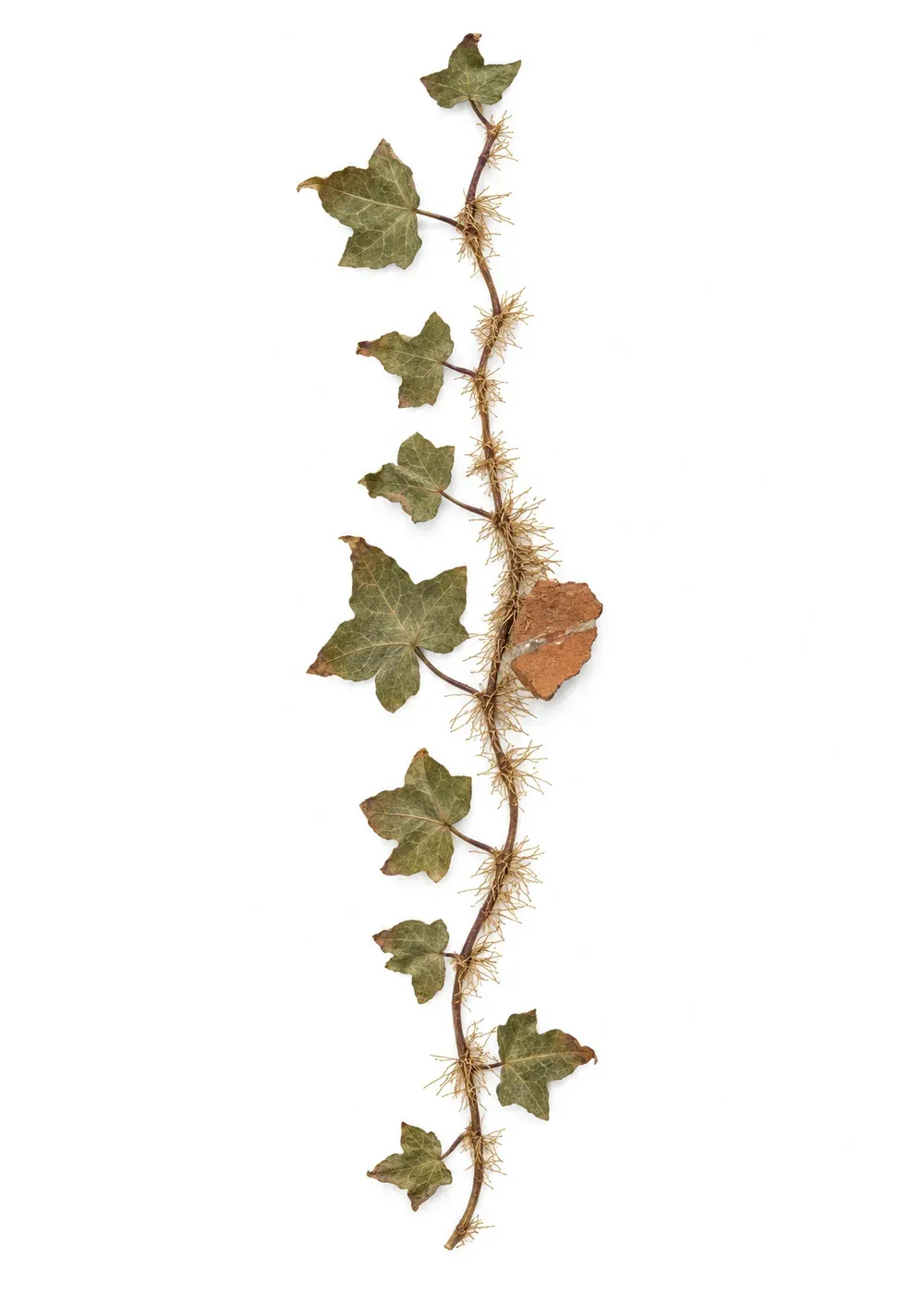
Hedera reparans
A climbing ivy that slowly repairs whatever it grows over — cracked pots, torn paper, once a broken wrist.
Lamplighter's Moss
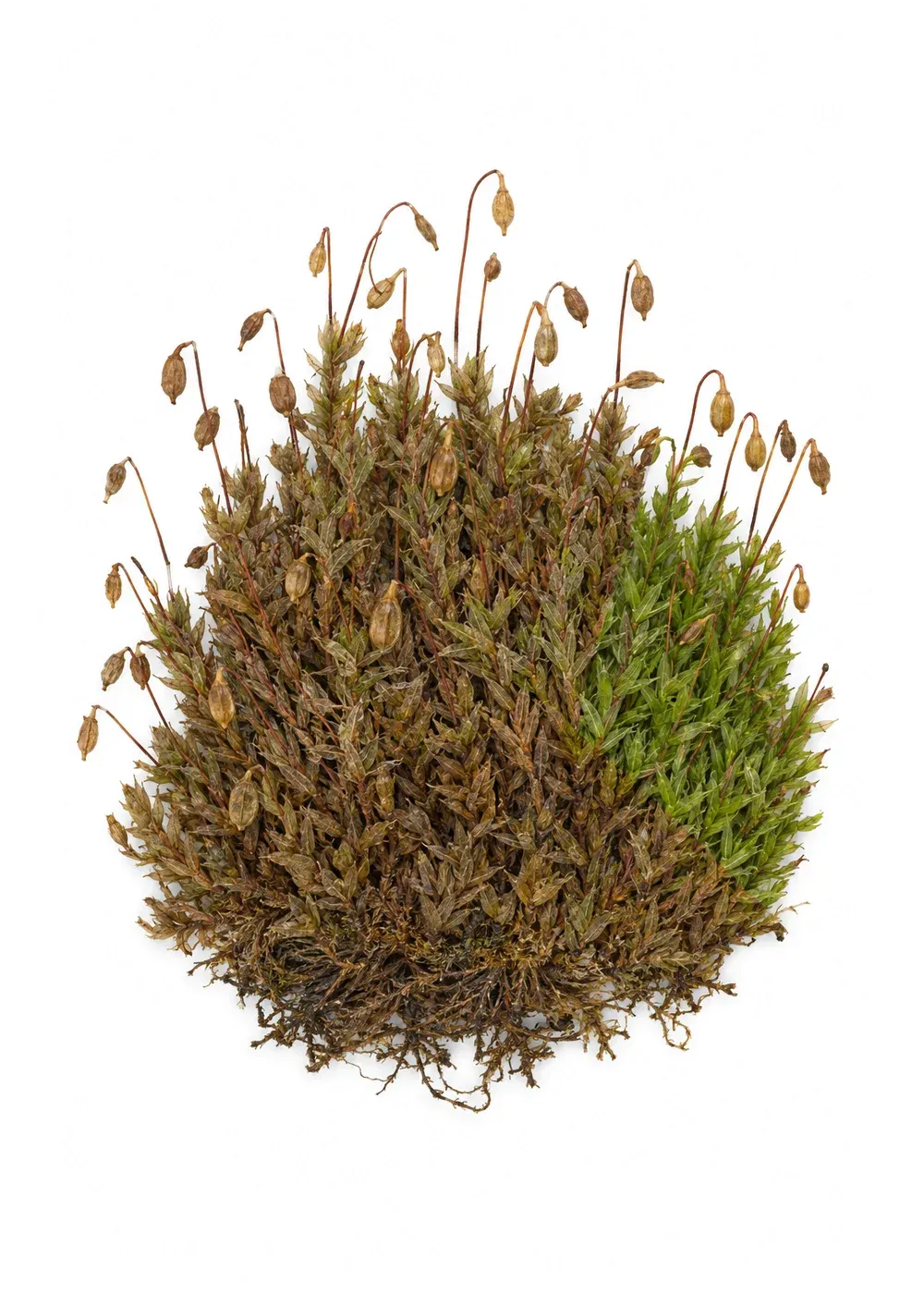
Bryum vesperale
A cushion moss that photosynthesises from attention rather than light, and dies in rooms nobody visits.
Funeral Laughter
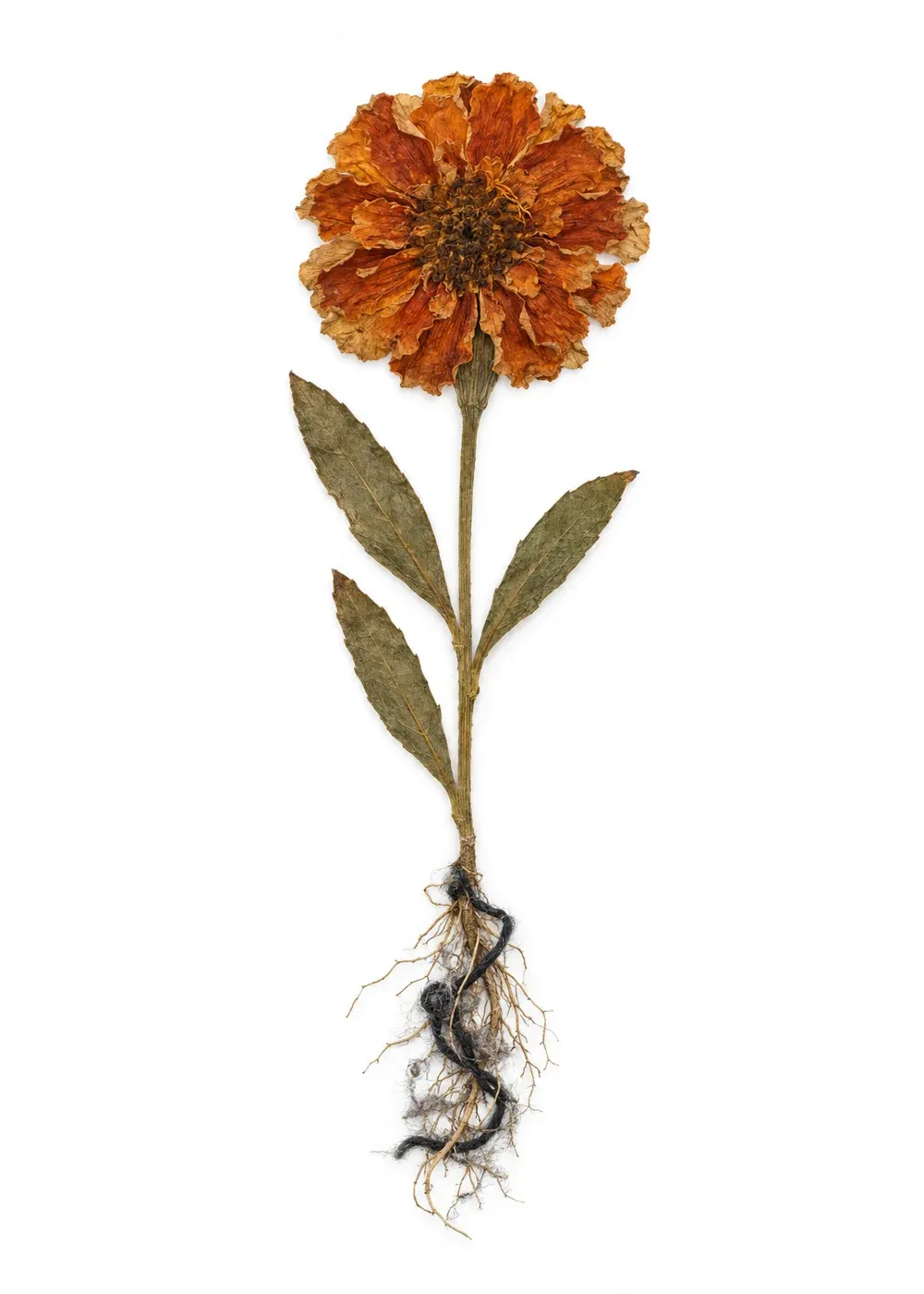
Calendula hilarans
A marigold that sprouts only at funerals and makes the mourners remember something funny about the dead.