- No.
- H-0303
- Fam.
- Apiaceae
- Loc.
- Unknown — seed found in a returned library book
- Leg.
- M. Dvořáková, librarian, 1978
H-0303HerbariumApiaceae
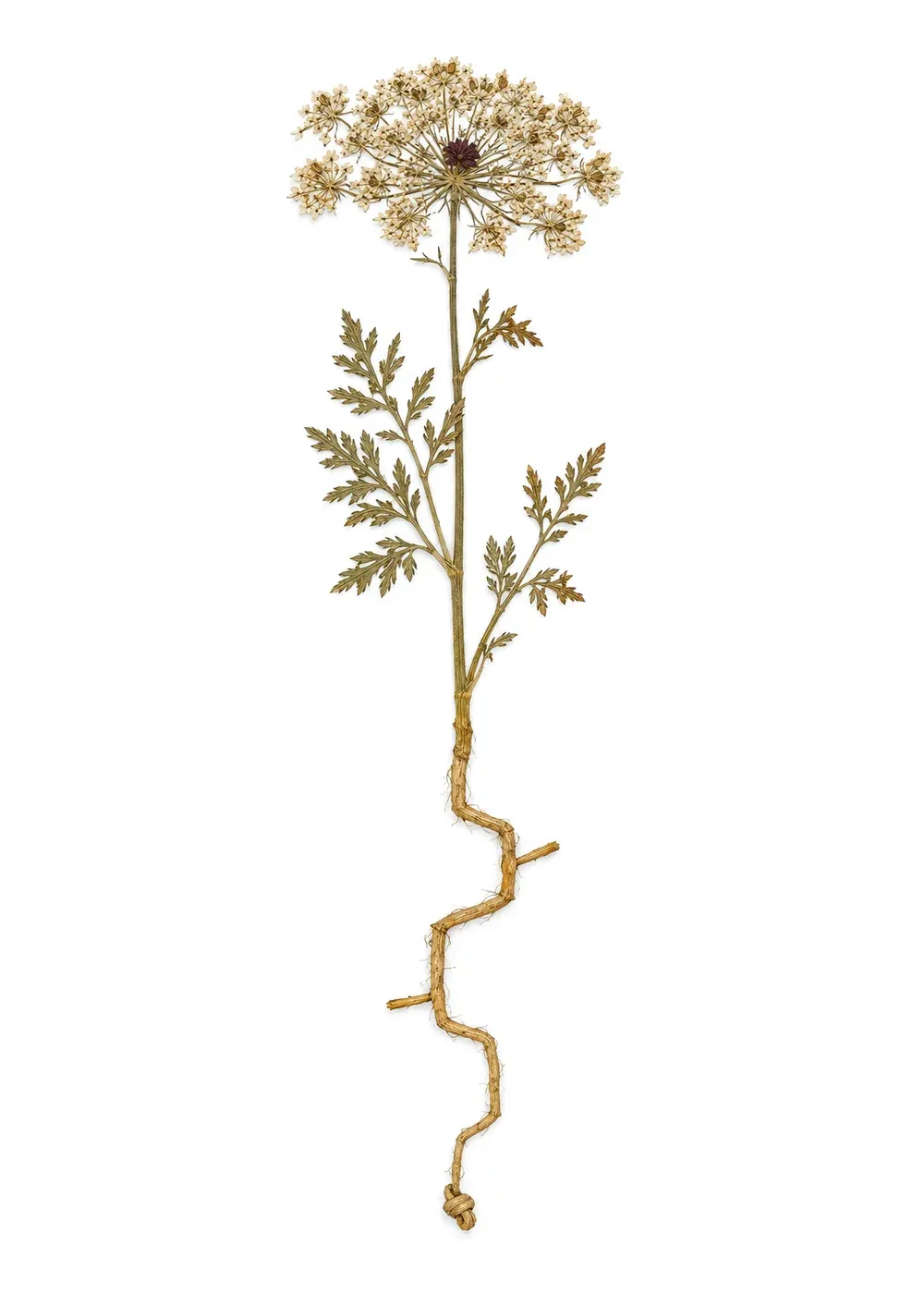
Cartographer's Root
Daucus itinerans
MissingA wild carrot whose taproot grows in the exact shape of the route to wherever its seed was collected.
- Collected at
- Unknown — seed found in a returned library book
- Date
- 1978
- Collector
- M. Dvořáková, librarian
- Anomalies
- Encoded messageMimicry
Sequenced fragment
CCGATTAGCATTAGCTAGCATGCATGCATGCTAGCATTAGCCGATCGATTAGCATCGGAT
Description
A wild carrot about 70 cm tall, with a single slender stem, finely divided feathery leaves and a flat umbel of cream-white flowers about 9 cm across, a single dark purple floret at its centre. The pale, ridged taproot is long and tapering.
Observations
Above ground it is an unremarkable Queen Anne’s lace. Below, the taproot forks and bends into what, when photographed and overlaid on a map, matches the walking route from the planting site to the place the parent seed was gathered.
Genetic analysis
A repeating stretch in the chloroplast genome, read as base-four digits, decodes to a pair of geographic coordinates. Each generation’s coordinates differ. All of them so far have been bus stops.
Cultivation
Grows normally. Unearthing the root is the only way to read it, and kills the plant.
Effects
Status changed to missing in 2019. The sheet, the seed tin, and the photographs are gone. The drawer smells faintly of carrots.
Filed alongside
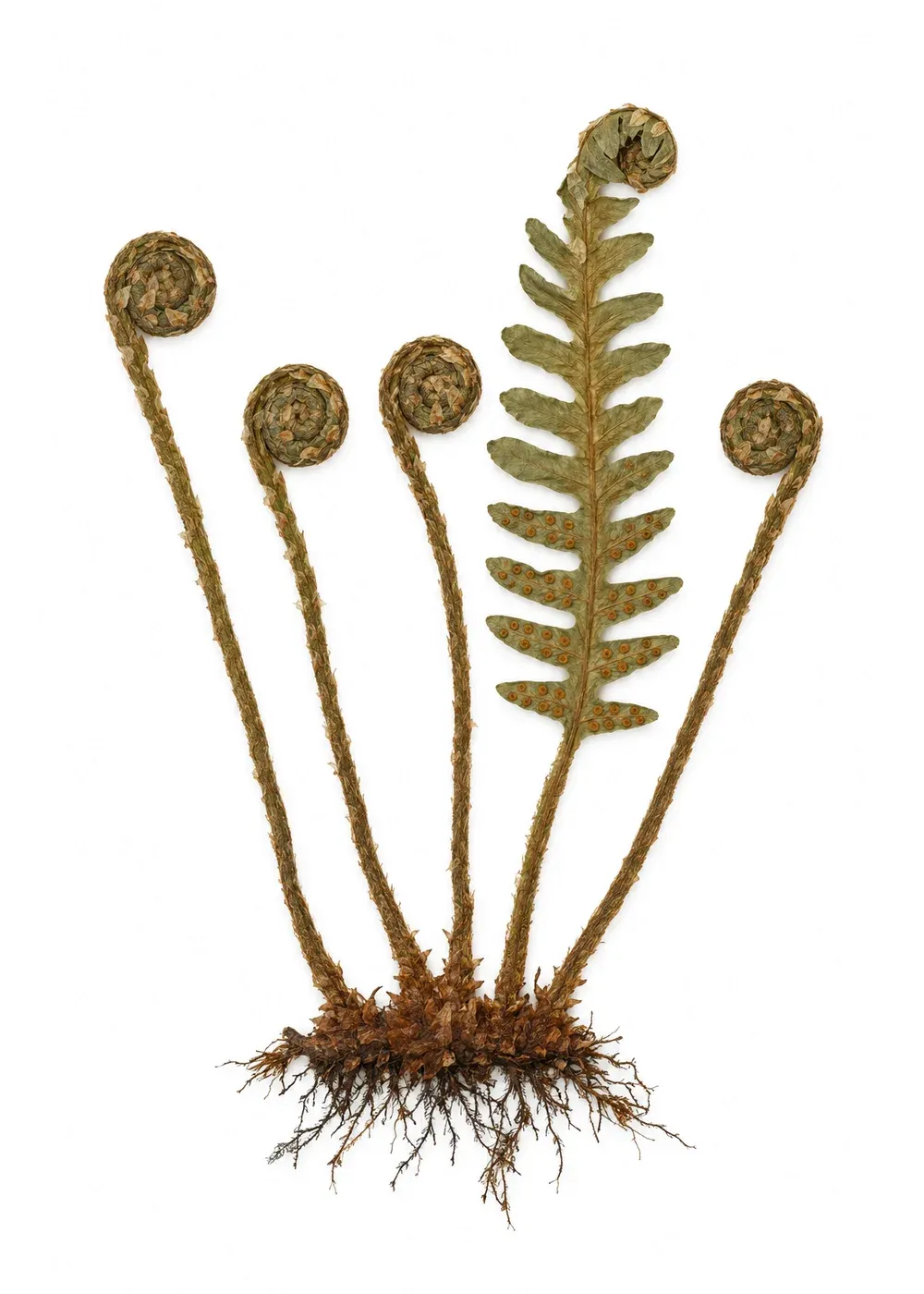
Widow's Fern
Polypodium memorans
An ordinary fern whose fronds uncurl only near the recently bereaved — and whose genome remembers who was lost.
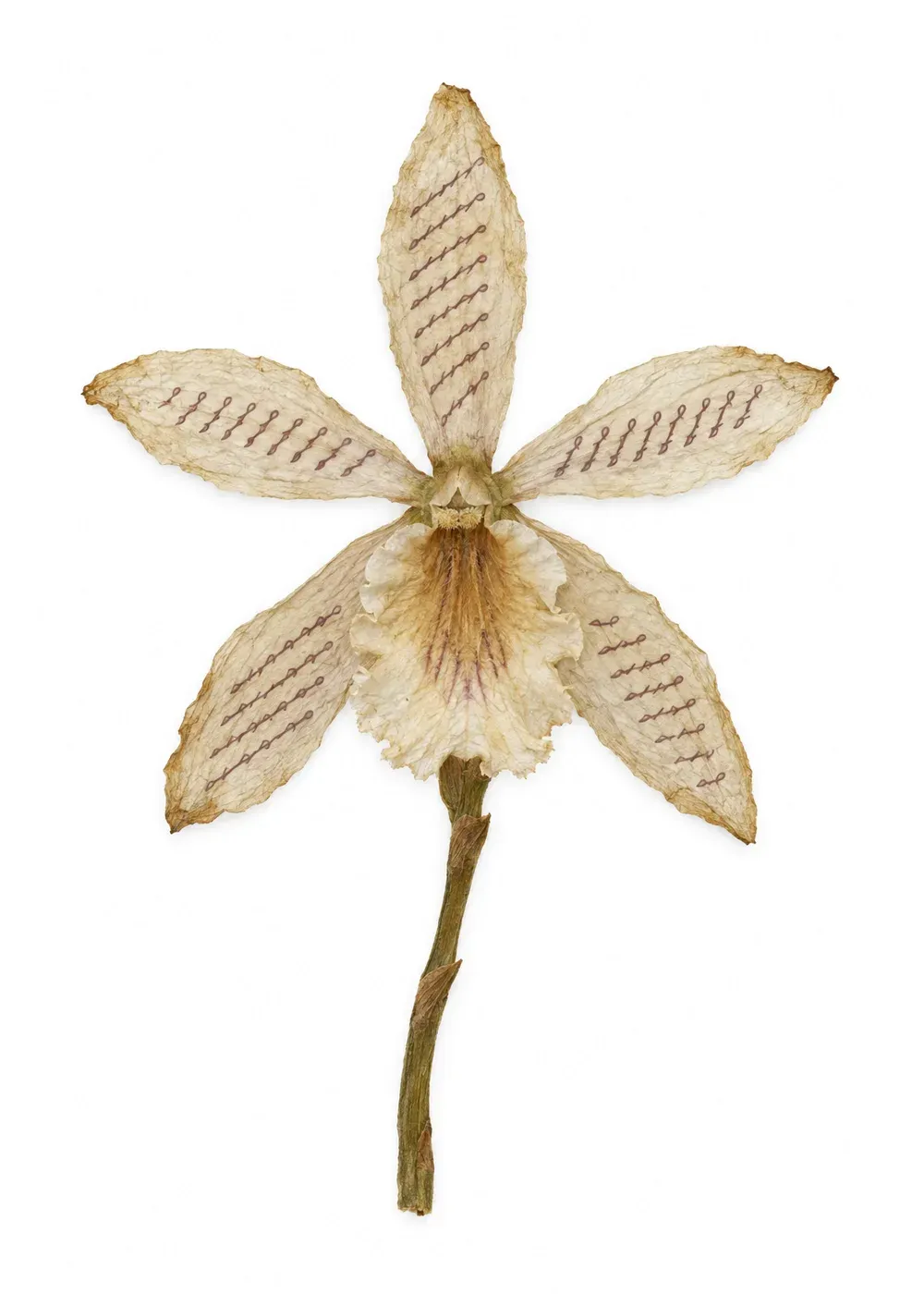
Correspondence Orchid
Dendrobium epistolare
An orchid whose petals carry faint handwriting — always a letter of thanks, never to anyone the gardener knows.
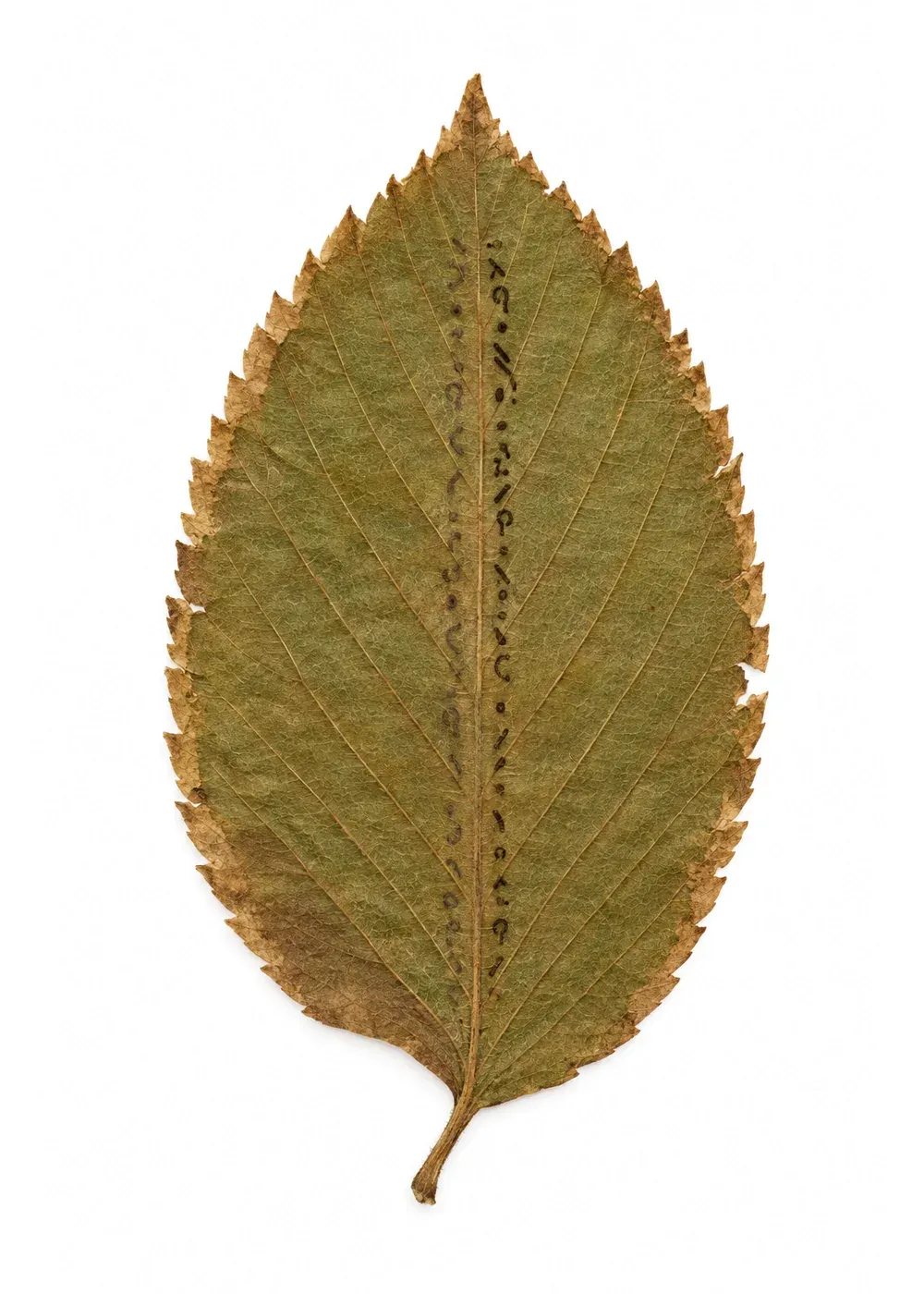
Hollow Elm
Ulmus testamenta
An elm whose growth rings record the last words spoken near it each year — and which has started recording words that have not been spoken yet.