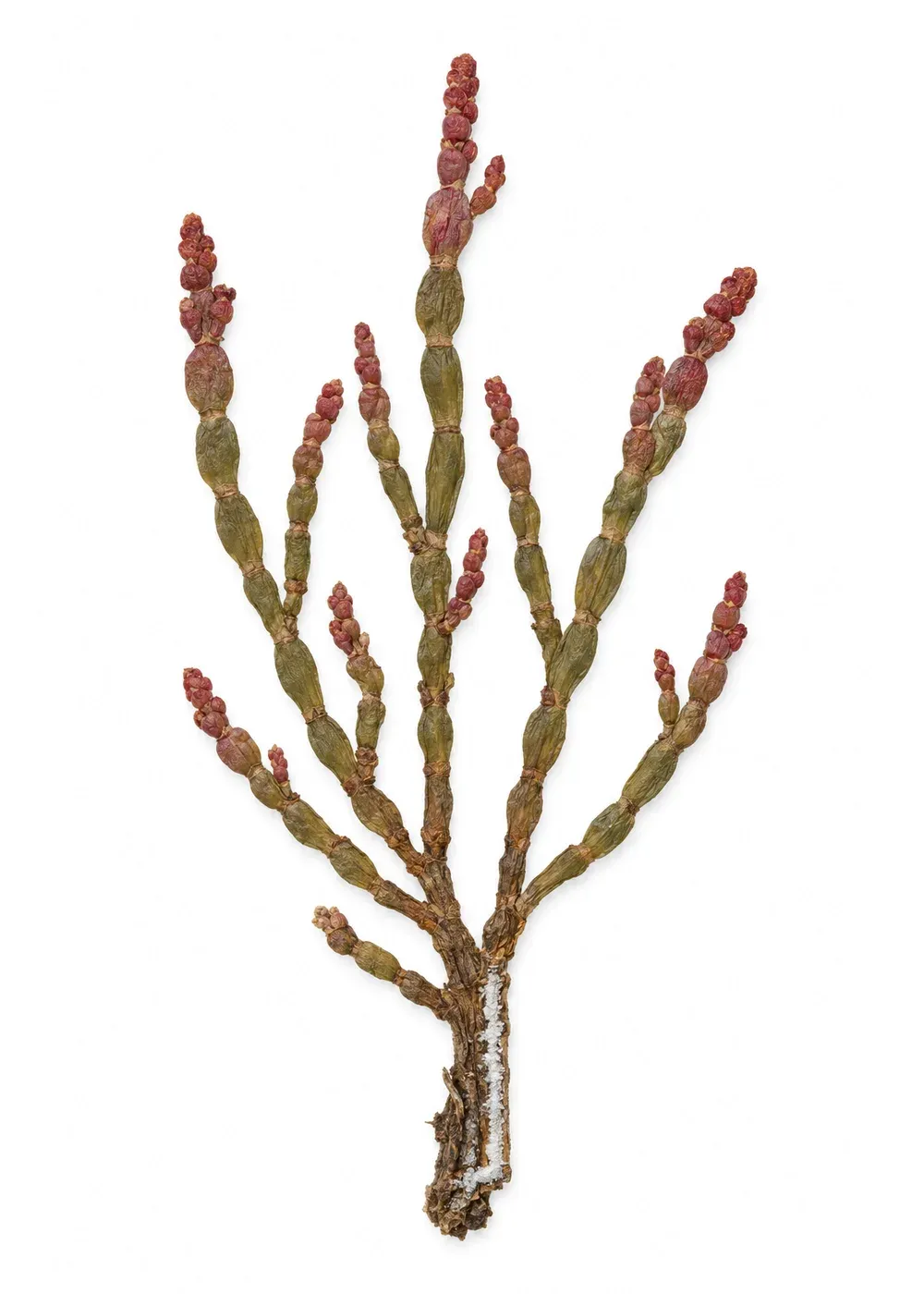
- No.
- G-0215
- Fam.
- Amaranthaceae
- Loc.
- Orielton Lagoon, Sorell, Tasmania
- Leg.
- Joanne Triffitt, primary schoolteacher, October 2014
G-0215GlasshouseAmaranthaceae
Freehold Glasswort
Sarcocornia quinqueflora
Under cultivationA Tasmanian saltmarsh glasswort gives the crabs and one wombat sheltering in it freehold title, stamped and registered in Hobart.
- Collected at
- Orielton Lagoon, Sorell, Tasmania
- Date
- October 2014
- Collector
- Joanne Triffitt, primary schoolteacher
- Anomalies
- BureaucraticTerritorial
Sequenced fragment
ATGGCTTCAAGCGTTGAGCAATTCGGTAAGCTATTGACCTTGACCTTGACCTTGACCTTGACCGGTCAAGTTCGATCCAAGAATGCTTAG
Contents 6 sections
Description
A low perennial succulent of upper saltmarsh. The stems are leafless and jointed, made of fleshy, bead-like segments 4–8 mm long. They creep and root at the nodes, with erect branches up to 15 cm. The plant is bright green in summer and flushes red from the base in autumn. Minute flowers sit sunk in the swollen terminal segments. The Conservatory holds a living mat 38 × 29 cm, with eleven rooted crowns, in a tray of mud from the collection site. It also holds one pressed sprig.
Observations
Animals that shelter within a stand of this glasswort become registered proprietors of the ground they occupy on the Tasmanian land register. The titles are complete and ordinary in every respect. Each has surveyed boundaries, a volume and folio, a dealing number and an examining clerk’s stamp. No one lodges them. The Office of the Recorder of Titles has examined them and found every one in order. The proprietor field in each title is filled in. The Conservatory has not reproduced it.
The Orielton fringe
A register search in August 2026 returned 74 current titles on 0.3 ha of upper saltmarsh at the north end of Orielton Lagoon. The earliest dates from 2015. Seventy-one are held by shore crabs, with parcels of 3–11 cm². Two are held by swamp rats and one by a common wombat, whose parcel is 14.2 m². Every boundary follows the edge of the glasswort to within a centimetre. Where a burrow runs on past the stand, its title stops at the stand’s edge.
Transmission
When a crab abandons a burrow, its title is not cancelled. A transmission is entered in the usual form and the title passes to the next animal that moves in. Burrows outside the stand are never titled, however close they are.
The file
Kate Rumney, a freelance journalist at Dodges Ferry, put this file together between 2018 and 2020 for a feature she never filed. She gave it to the Conservatory in 2023. Her index lists four items. The fourth, “CT 178203/1 (the wombat’s)”, is not in the folder. Her index has a line through it and the words “see envelope”. On the inside cover she wrote: “Not filing. Anyone aggrieved can ask the Recorder to correct the register. A story is how you make people aggrieved.”
The glasswort at Orielton — public lecture
Typed notes for a lecture in the Uniting Church hall, Sorell, 14 November 2019 — J. Triffitt, teacher; margin notes by K. Rumney
The projector would not talk to my laptop, so I read from these. Numbers go on the hall board.
Slide 1 — Beaded glasswort, and the quadrat
This is the plant. You’ve all walked past it. It’s the green beads along the lagoon edge below the causeway, the ones that go red in April. My Grade 5s did a quadrat survey there in October 2014, and I brought a sprig back to press for the classroom wall.
We used twelve one-metre squares, and the children counted holes. Most were shore crab holes. There were two swamp rat runs. At the top, where the glasswort meets the grass, there was one wombat burrow with a spoil mound you could lose a child behind. We wrote it all down. Keep that list in your head.
[Sprig still on the wall of Room 6. — K.R.]
Slide 2 — The paddock above, and Neil’s search
The paddock behind the marsh was sold in 2015 for twenty-two house lots. Neil Haddow surveyed it, and some of you have his pegs in your back fence.
Before you draw lots, you search the register. Neil found the marsh fringe already titled in sixty-one parcels, the smallest of them three square centimetres. He laid them over our quadrat sheet. Every crab hole the children counted had a title.
[Haddow confirms. Says he sat in his ute for an hour. — K.R.]
Slide 3 — The clerk’s stamp
These are ordinary titles. Each has a volume and folio, a dealing number, and the stamp of the examining clerk at the Land Titles Office in Hobart, L. Brammall. Mrs Brammall exists. She cannot find any of these in her day-book. She says the stamp is hers, and it is.
[Rang Brammall. She said “they were in order” and hung up, not rudely. — K.R.]
Slide 4 — The wombat’s lot
Her parcel is 14.2 square metres. It takes in the entrance, the tunnel as far as the glasswort reaches, the spoil mound, and the scrape where she sits in the sun. Lot 22 used to run over it. Neil pulled peg 14 back forty centimetres.
Slide 5 — The certificate
I haven’t got a slide of this, and I wouldn’t put it on a screen anyway. The reference is on the board behind me if you want to search it yourselves. It was issued in March 2017. I won’t read you the proprietor’s name. You can probably guess the species.
[Board read 178 / 203 / 1. Went back Sunday and it was still up. Rev. Pauline Agnew said they’d sung 178 and 203 and left the 1 “for whoever”. — K.R.]
[Did not order the search. — K.R.]
Slide 6 — Where it is now; questions
Last year, cuttings from my classroom tray went to a botanical institute. Twenty-one houses are going up. Lot 22 was withdrawn.
- Can it sell? It’s never been asked.
- Who has the certificate? The holder.
- Would it work on other marshes? (from N. Haddow) Ask Neil.
[Haddow filed three weeks later. — K.R.]
Condition report — cuttings from Sorell
Condition report on receipt of the cuttings — R. Pengelly, Glasshouse conservator; copy kept by K. Rumney
Received in a polystyrene box by post from Sorell School, with a covering note from J. Triffitt.
Main mat — Sound
Eleven rooted crowns, firm and turgid, in good colour.
Fertile spikes — Flowering
Anthers exserted on four spikes, which is normal for the season.
Basal segments — Reddened, normal
Autumn pigment, not a sign of stress.
Substrate — Do not disturb
Orielton mud, sent with the cuttings. It contains one crab burrow, 9 mm across, vacant on arrival. The sender’s note asks that it not be filled in, and it has not been.
Mesh cover — Keep in place
Fitted on receipt, at the sender’s request.
Accompanying envelope — Empty
A brown A5 envelope packed with the cuttings. It was sealed and was empty when opened. Pencilled on the flap: “CT 178203/1 — returned to holder.” Kept with the file.
Application — a method of securing a burrow
Patent application and examiner’s report, copied for the file — N. Haddow, registered land surveyor, Midway Point
Filed 5 December 2019. The applicant states that the invention protects the dwellings of burrowing animals from subdivision.
Claim 1 — A method of securing a burrow
Establishing a stand of Sarcocornia quinqueflora around an occupied burrow, so that the occupant becomes the registered proprietor of the ground it occupies, with a boundary that follows the stand.
Claim 2 — Crabs
The method of claim 1, where the occupant is a shore crab and the parcel is smaller than 12 cm².
Figure 1 — The Orielton fringe, in plan
Sixty-one parcels in red over the subdivision plan. Lot 22 is hatched as withdrawn.
Figure 4 — The certificate, as issued
Withdrawn by the applicant, with a note: “The original is with the registered proprietor. I was not prepared to ask for it back.”
Examiner’s objection
The claimed method is not a manner of manufacture. On the applicant’s own evidence, the effect follows from the plant and the animal alone, and nobody planted the Orielton stand. Refused. The examiner did not ask for Figure 4.
Genetic analysis
Apart from one locus, the Glasshouse mat sequences as ordinary Sarcocornia quinqueflora. In the 3′ untranslated region of NHX1, the vacuolar sodium/proton antiporter that lets the plant store salt, there is a six-base tandem repeat, TTGACC. The repeat is not known from any other glasswort. Its copy number is consistent across reads at 40× coverage, so it is not polymerase stutter.
Against the register
The mat has been read three times: 52 copies in 2018, 61 in 2019 and 74 in August 2026. Each time, the count matched the number of titles current on the Orielton fringe that week. The mat has not been back to Tasmania since 2018.
The pressed sprig
DNA extracted from the 2014 sprig carries a single copy, which matches no titles at all. The sprig was pressed a year before the first title was issued.
Cultivation
The mat grows in a shallow tray of Orielton mud topped with washed sea-sand. It is watered with half-strength seawater, about 17 parts per thousand, and kept in full light with a cool winter. It is easy to grow and spreads by stems that root as they creep.
The tray stays under fine mesh, at the sender’s request and by the Conservatory’s own preference. Anything that shelters in the plant may acquire title, and the Conservatory does not know which register it would be entered on. No cuttings are distributed. The vacant crab burrow in the substrate is left open.
Effects
At Orielton, the subdivision above the marsh was redrawn around the titles. Lot 22 was withdrawn and peg 14 was moved 40 cm. No title has been challenged and none has been cancelled. The wombat’s title, CT 178203/1, is still current. Each October, Room 6 at Sorell School repeats the 2014 quadrat survey and checks its count against the register. Neil Haddow has not appealed the examiner’s decision. He has asked the Conservatory twice whether the mat is flowering.
In March 2022 a house mouse got under a lifted corner of the mesh and was found asleep in the tray. It was removed within the hour, and nothing has come from Hobart since. The Conservatory still opens its Tasmanian post first.
Filed alongside
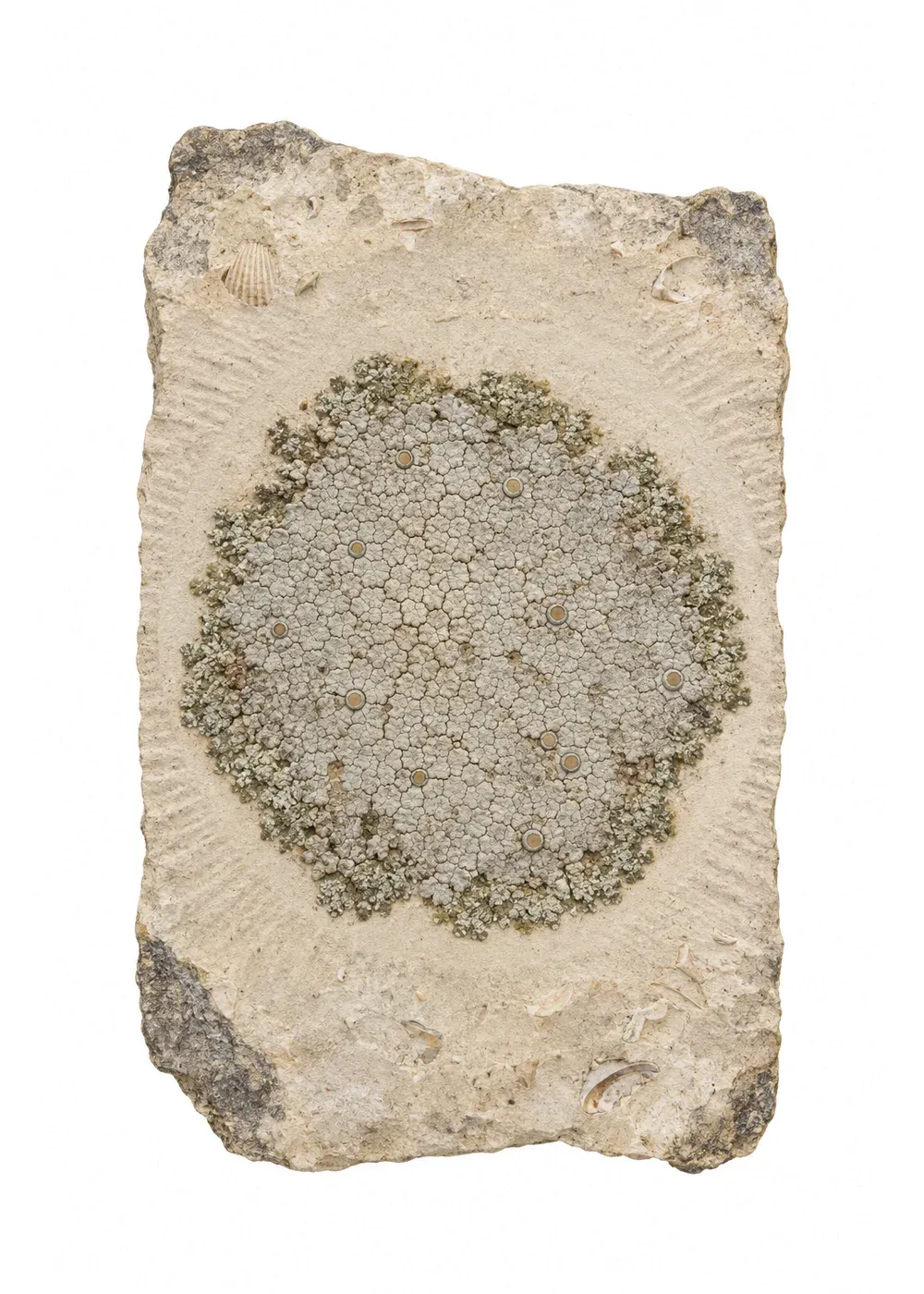
Quiet Crust
Lecanora liminis
A grey doorstep lichen from Mansourah that keeps a circle of perfect silence around itself, 2 mm wider every year.
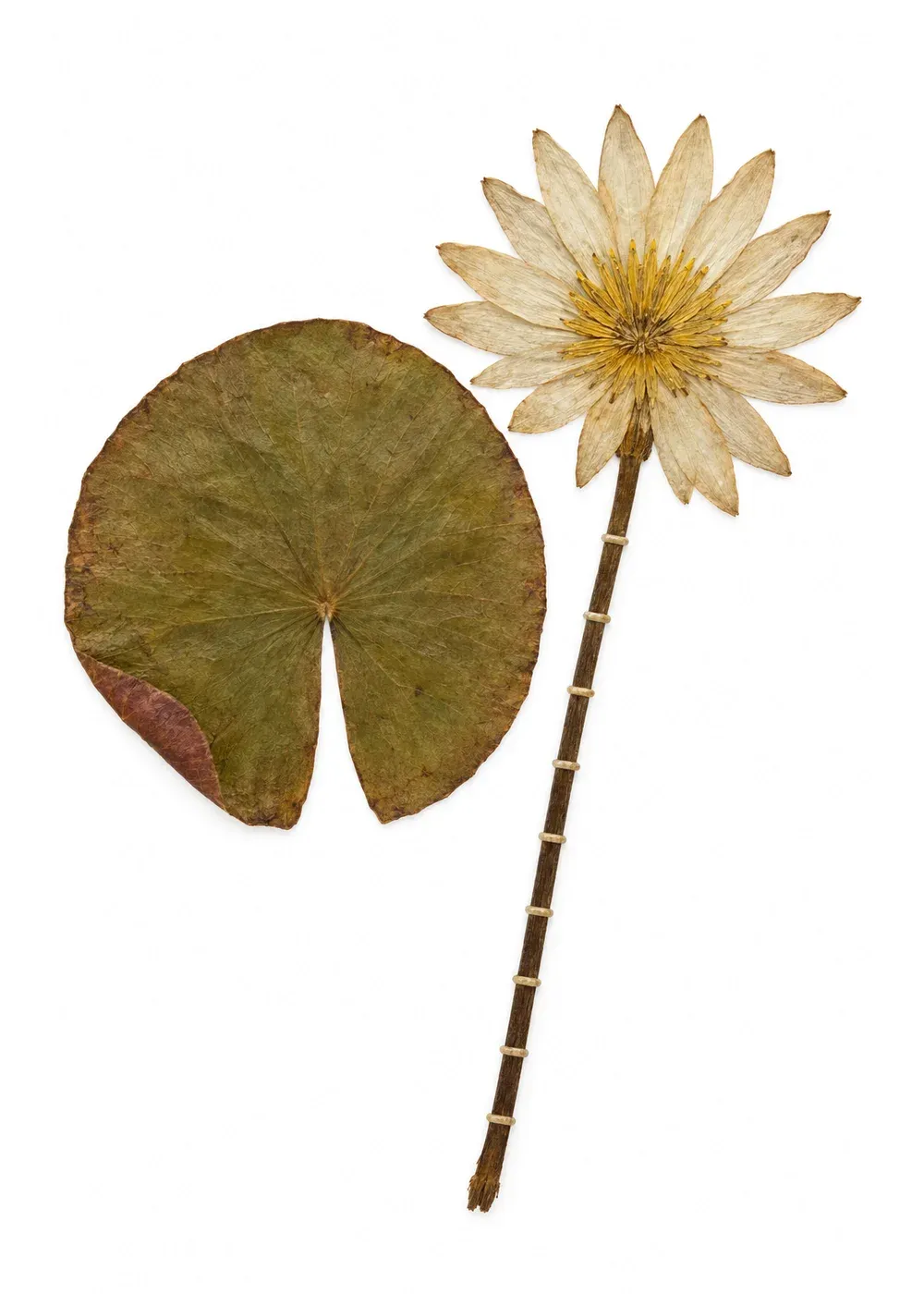
Grace Lily
Nymphaea moratoria
A Lapland water lily that, for the nine weeks it is in flower, stops every legal deadline in sight of its pond: tax, leases and evictions.
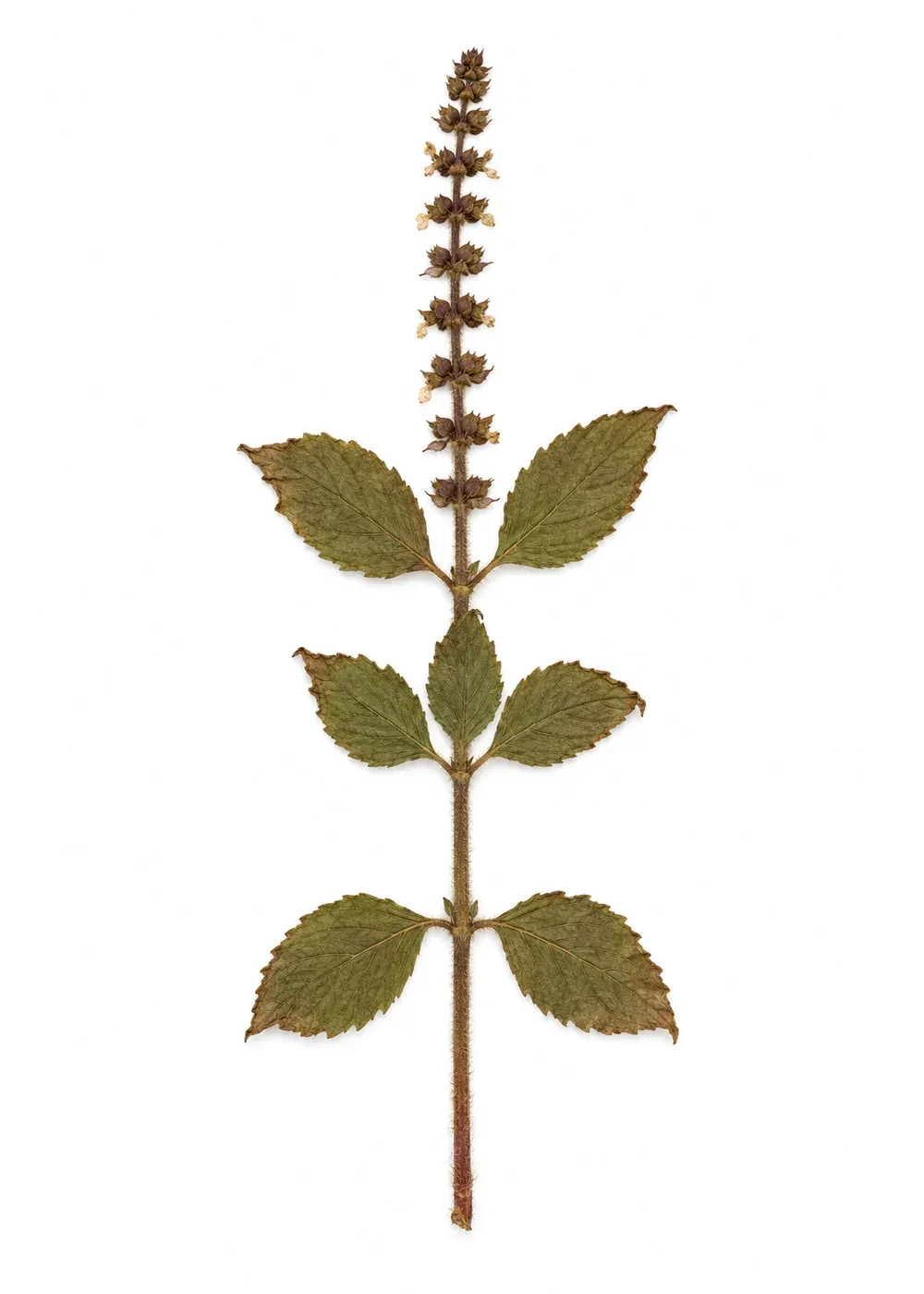
Extra Place Basil
Ocimum gratissimum
A fokontany-office basil from Toamasina adds one name to every list made beside it: a living person no register has ever recorded.