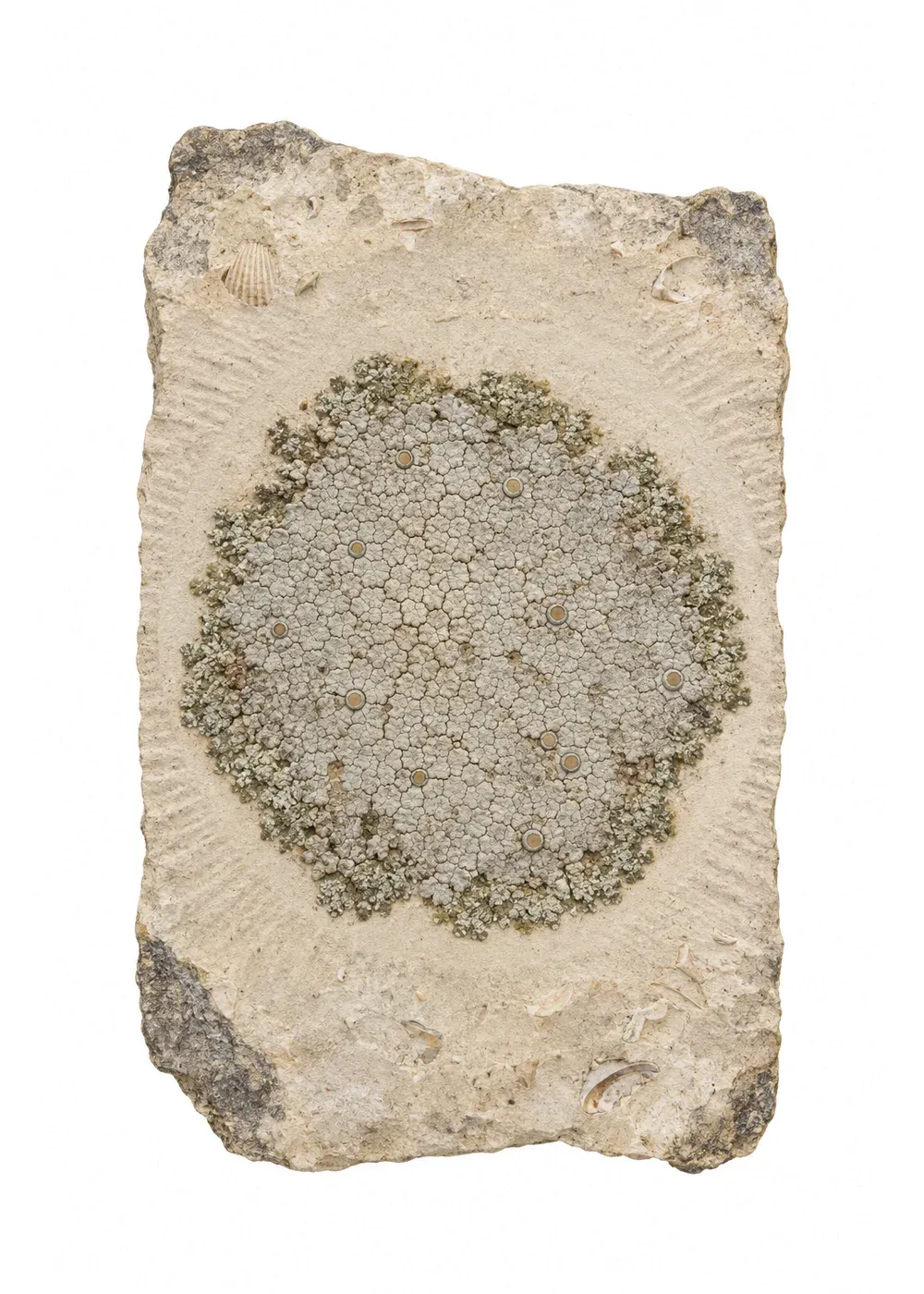
- No.
- G-0202
- Fam.
- Lecanoraceae
- Loc.
- Doorstep behind the Mixed Tribunal, Mansourah, Lower Egypt
- Leg.
- Aristide Panayotou, court stenographer, 11 March 1906
G-0202GlasshouseLecanoraceae
Quiet Crust
Lecanora liminis
Under cultivationA grey doorstep lichen from Mansourah that keeps a circle of perfect silence around itself, 2 mm wider every year.
- Collected at
- Doorstep behind the Mixed Tribunal, Mansourah, Lower Egypt
- Date
- 11 March 1906
- Collector
- Aristide Panayotou, court stenographer
- Anomalies
- AcousticTerritorial
Sequenced fragment
TTGCAGGTCCATAAGCTTGGACGATCCACTAGGTGATCCACTAGGTGATCCACTAGGTAATCGGTTCAGCCTAGATTGCA
Contents 6 sections
Description
A pale ash-grey crustose lichen about 9 cm across, cracked into small angular areoles, growing on a slab of buff fossiliferous limestone 22 × 14 cm that was once the lowest step of a house. A few lecanorine apothecia with buff discs sit across the thallus, and powdery greenish-grey soralia run along its margin. Spot test K+ yellow (atranorin); as a lichen it is unremarkable, and it was keyed out without difficulty in 1913.
Observations
Around it sits a circle in which nothing can be heard. It rises from the slate as a low dome, centred on the oldest areole, and the edge is sharp enough to measure with a rule. A ticking pocket watch can be heard at 156 mm from the centre and cannot be heard at 154. Sound does not get in and does not get out. Air moves through it, light passes, and water dripping from the staging lands on the slate without a sound.
The bench gardener measures the circle every 11 March with the same brass rule. It was 8.2 cm across when the slab arrived in 1912. It is 31.0 cm across in 2026. In every year on record it has widened by 2 mm, including the winter of 1947, when the Alpine House boiler failed and the slab spent February under sacking.
The file
Catalogue listing
As printed, unchanged since 1931, in the Conservatory’s Index Seminum et Sporarum:
1187. Lecanora liminis (Lecanoraceae). Doorstep crust. Grey crustose lichen on limestone; Lower Egypt. Ex Mansourah, 1906. Soredia, per twist of paper, 4d. One twist per household. Purchasers are asked to report the date of first silence.
Since decimalisation, buyers have been asked to send 2p. No change is given. The Trustees have twice declined to revise the price, in 1971 and in 2002, and minuted no reason either time.
Provenance
Collected by Aristide Panayotou (1871–1938), stenographer in French and Greek to the Mixed Tribunal of First Instance at Mansourah. The step was the doorstep of his lodging in the street behind the court, then called Rue du Tribunal. He wrote to the Conservatory in its first year:
I put my watch down on the step to tie a lace and could not hear it. I put my ear to the stone. I am a stenographer, sir; I listen for a living, and I know the difference between a thing that has stopped and a thing I cannot hear.
The landlord, Halim Sobhi, let him lever up the step in exchange for forty piastres and a new one. Panayotou kept it under his desk at the Tribunal for six years, where the hearings ran in Arabic, French, Italian and Greek, sometimes all four in one morning. He gave only one reason for sending it on: “I would like it to go somewhere it will be given the time.” It came by steamer from Port Said in 1912, packed in cotton waste, at a gross weight of 9 kg.
Letters from Halifax, 1951–1989
The longest correspondence is with Mrs Hilda Garside of Halifax, who bought a twist in 1951 and set it on the back step. She wrote in 1976:
It is five centimetres now and Arthur’s watch fits. I still wind it on Sundays. I only can’t listen to it.
She kept writing every year until 1989. Her daughter has told us the step is still there.
Genetic analysis
The mycobiont keys to Lecanora without difficulty and the photobiont is an ordinary trebouxioid alga. The anomaly sits in the mycobiont’s ITS region: a six-base motif followed at once by its exact complement, repeated in tandem. One copy is added each March. The count stands at 155 — the radius of the silence, in millimetres.
Cultivation
Soredia take readily on any lime-rich stone: a sill, an old step, the base of a garden wall. Keep the stone dry and in north light, and do not feed it. Do not scrub doorsteps. A new thallus starts with no silence at all. Its circle grows at the parent’s rate, so after the first year it is about the width of a pinhead. Buyers in a hurry are gently referred to the arithmetic.
The Conservatory sent out 418 twists between 1931 and 2025 and has received 61 reports of first silence.
Effects
The slab stays on Bench 9 of the Alpine House and is not lent out. Each 11 March, once the measurement is done, the bench gardener (currently Owen Pritchard) moves the neighbouring pan of Saxifraga back by 1 mm. Nothing stands where the silence will be next year.
Since 2019 there has been room, if you lay your cheek on the slate, for one ear and most of the other. Staff may book ten minutes at lunch. The list is full until February.
The smallest member of staff, sitting with her knees drawn up, needs a circle 61 cm across. That circle is chalked on the floor of the potting shed. At the present rate the lichen will reach it in the spring of 2176. The chalk is renewed every March.
Filed alongside
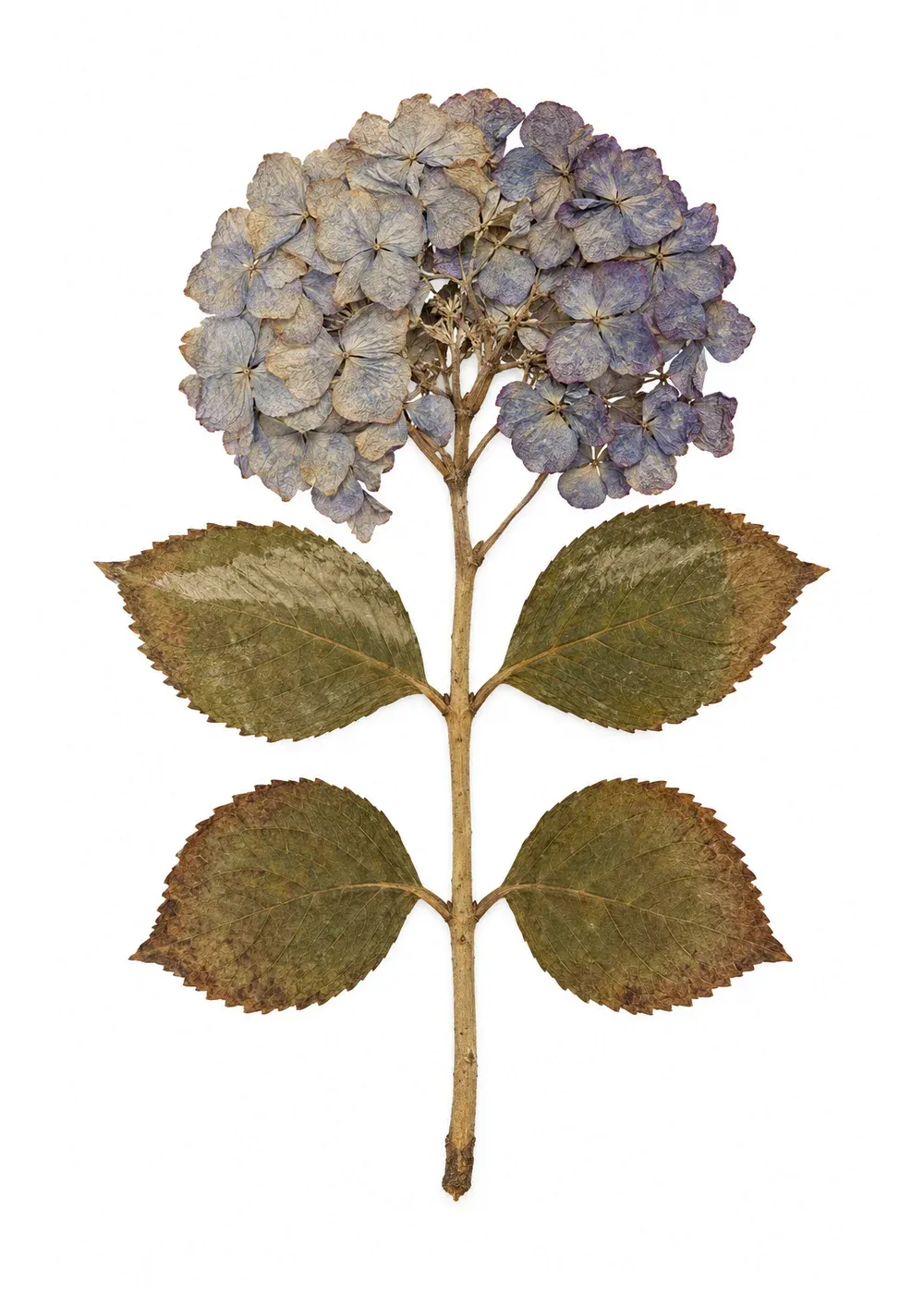
Unheard-Hour Hortênsia
Hydrangea macrophylla
Walk the full 31 metres of this Penzance hydrangea hedge and no one can hear you for an hour, as a neighbour did at two in the morning in March 1971.
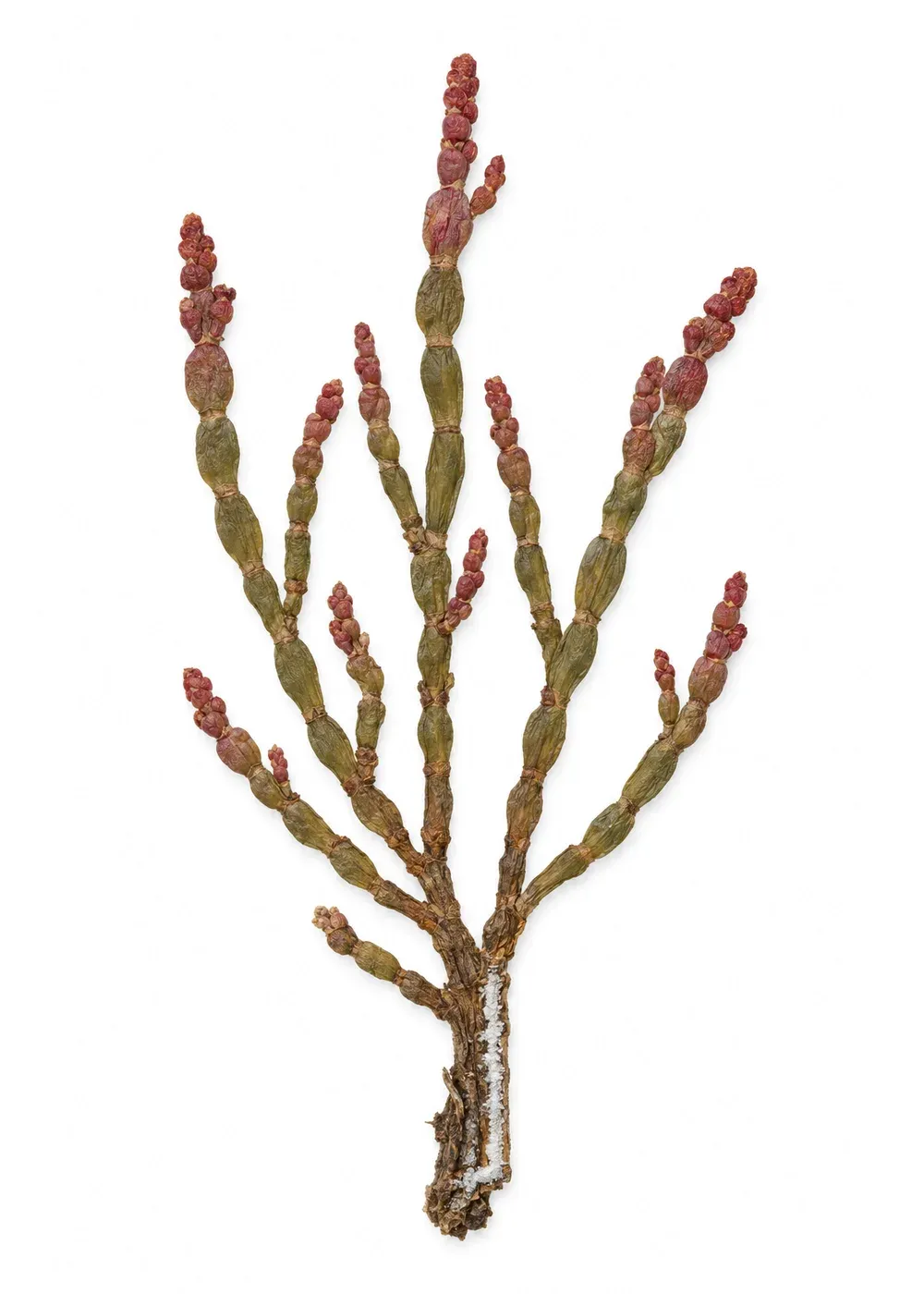
Freehold Glasswort
Sarcocornia quinqueflora
A Tasmanian saltmarsh glasswort gives the crabs and one wombat sheltering in it freehold title, stamped and registered in Hobart.
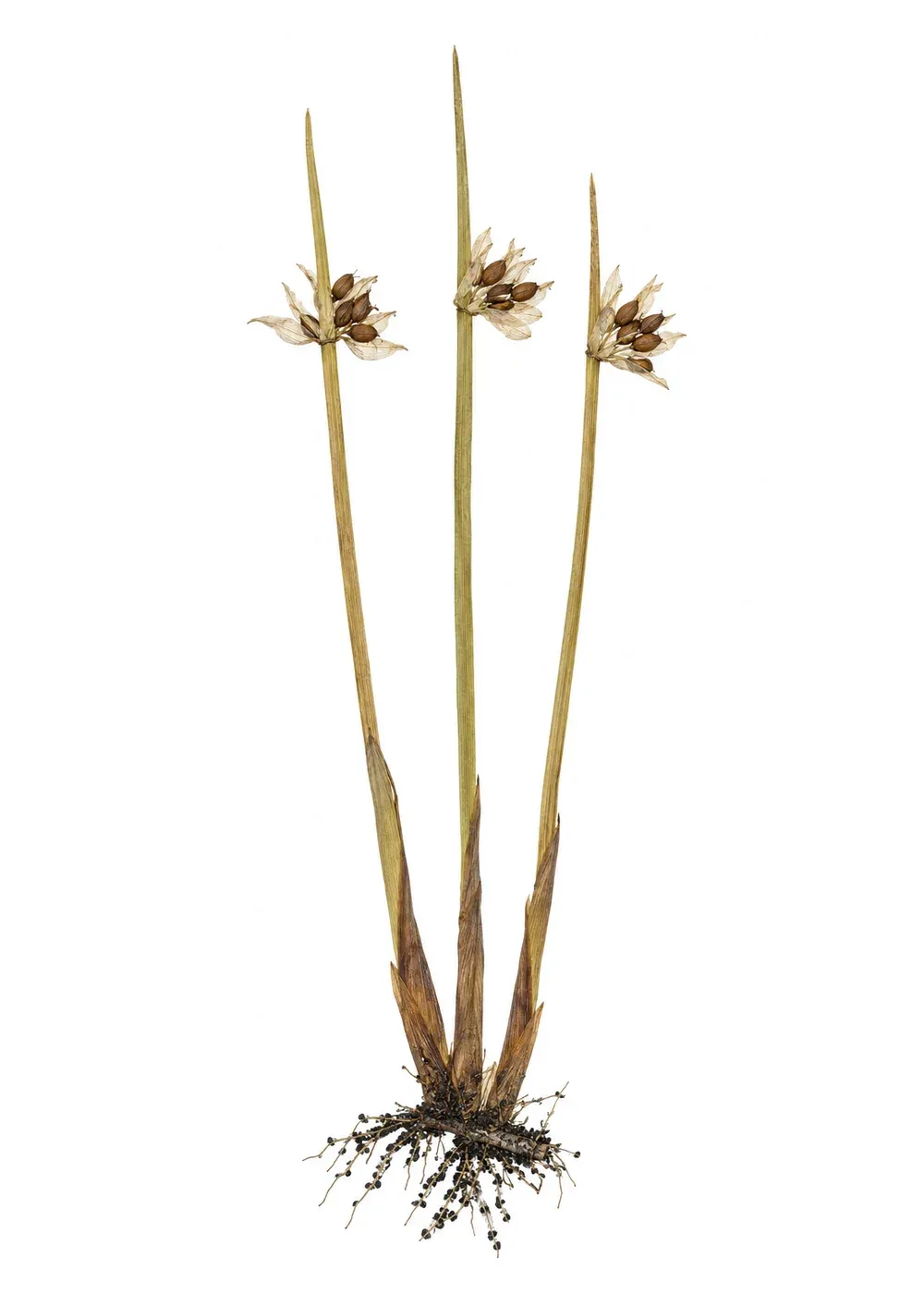
Stationmaster's rush
Juncus constans
A stationmaster pressed a rush from his own platform in 1954; everyone who has written about it since stays 11.4 km from that platform.