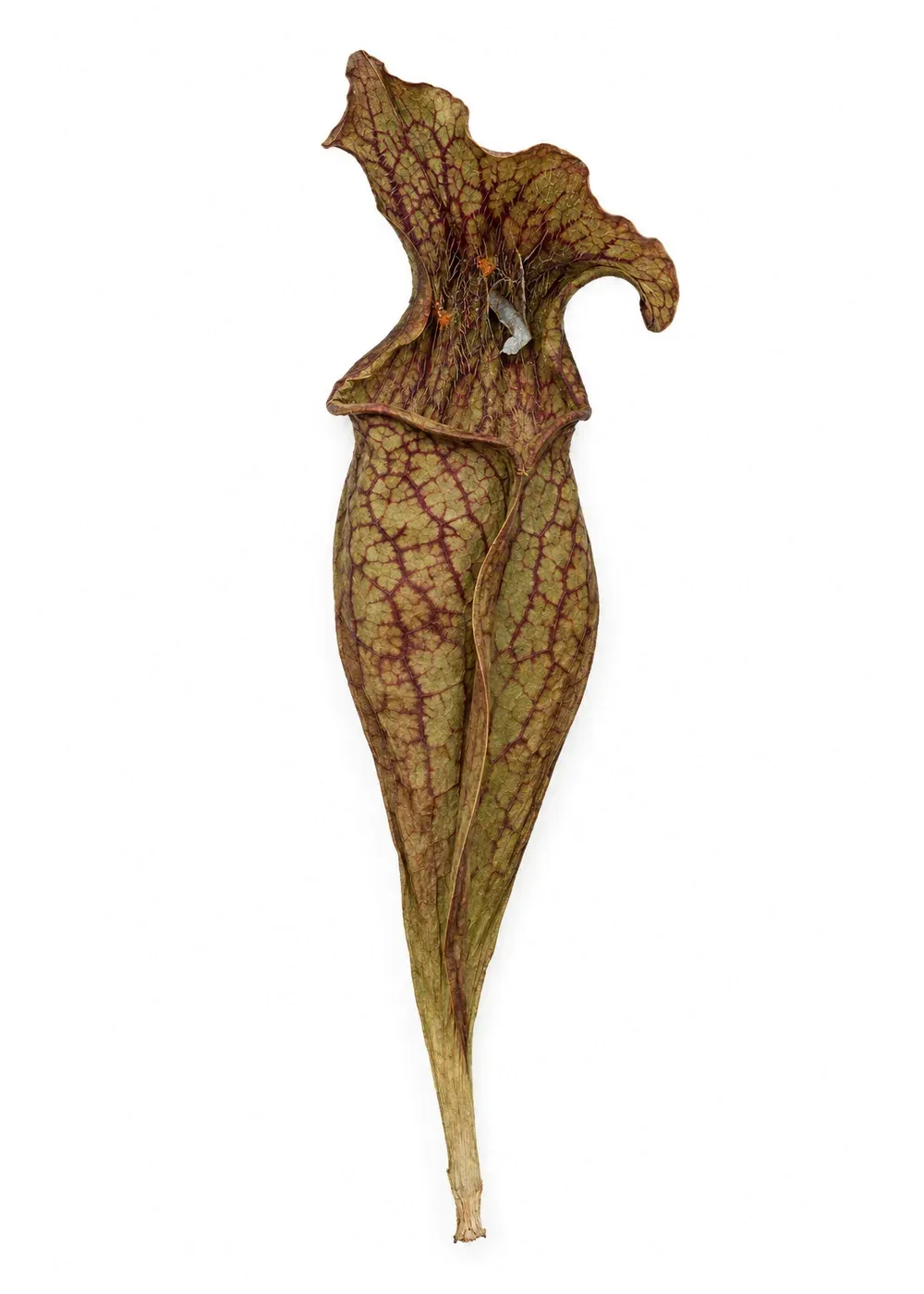
- No.
- G-0209
- Fam.
- Sarraceniaceae
- Loc.
- Boswednack, Zennor
- Leg.
- Arthur Penhallow, retired botanist, summer 1934
G-0209GlasshouseSarraceniaceae
Tithe-Map Pitcher
Sarracenia purpurea
Under cultivationA purple pitcher plant whose tin chapel turned up in a 1790 vestry minute, just in time to beat a council demolition order.
- Collected at
- Boswednack, Zennor
- Date
- summer 1934
- Collector
- Arthur Penhallow, retired botanist
- Anomalies
- TemporalBureaucratic
Sequenced fragment
ATGGCTTCAAAGTTCGATTACGGAATCCTTGAAAGTAATCGATTCGGCGCCCGGCATCGCGGGCCGCGATCGGCGCATTCCAAGAACGGATTTGCTAGTTAG
Contents 6 sections
Description
A single mature crown of purple pitcher plant in a 25 cm clay pan. Eleven pitchers, 10–17 cm long, lie in a loose rosette. They are curved and swollen, green with heavy maroon veining, and each has an upright, wavy-edged hood lined with downward-pointing hairs. Each May the plant carries one nodding maroon flower on a 34 cm stalk, above a broad style shaped like an umbrella.
Observations
Any building the plant stands in afterwards appears in handwritten records written before that building existed. The entries are in the original writer’s hand and ink and sit in the right place on the page. They describe the building as it stands now, materials included. The Boswednack chapel is entered as “iron” in a vestry minute of 1790, nearly forty years before corrugated iron was patented in 1829. Printed matter, photographs and anything written after the building went up are not affected. Nothing else on the affected pages changes.
The file
The chapel was a tin mission room bought from St Just and put up at Boswednack by Arthur Penhallow in September 1933. The next summer he moved his pitcher plant into it. His widow, Grace, gave us these telegrams, in their tin, with the plant in 1947.
Telegrams kept in the chapel tin
Received telegram forms with the receiving clerk’s notes, kept and pencilled by Grace Penhallow, the collector’s widow
In Mrs Penhallow’s order. Clerk’s notes were written at the receiving office; the pencil notes are hers.
Penzance — Notice served iron building
NOTICE SERVED IRON BUILDING BOSWEDNACK ERECTED 1933 NO PLANS DEPOSITED CONTRARY BYELAW DEMOLITION FOURTEEN DAYS = HOSKING CLERK TO COUNCIL
Clerk: Delivered 4.10 pm, 3 March 1938. Addressee out; taken in by wife.
Pencil: He was in the chapel. By then he was always in the chapel.
Truro — Plot 1187 described chapel iron
ZENNOR APPORTIONMENT 1841 PLOT 1187 DESCRIBED CHAPEL IRON STOP SAME HAND AS REST OF FOLIO STOP PLEASE CALL = DUNSTAN DIOCESAN REGISTRY
Clerk: Sender asked for IRON to be read back to him twice.
Zennor vicarage — Vestry book folio 31
VESTRY BOOK 1790 FOLIO 31 FOUR SHILLINGS VOTED STOVEPIPE FOR IRON CHAPEL BOSWEDNACK STOP INK MATCHES ENTRY ABOVE STOP I HAVE READ THIS BOOK BEFORE = ROWE VICAR
Clerk: Handed in at the counter by the sender, who lives forty yards from the office.
Penzance — Council asks whether any photograph
COUNCIL ASKS WHETHER ANY PHOTOGRAPH OR LIKENESS OF ERECTION EXISTS REPLY TODAY = TREVASKIS
Zennor — None
NONE = PENHALLOW
Clerk: One word. Charged for nine.
Pencil: Pinned here: Loveday’s drawing, wax crayon on sugar paper. A lorry, a grey building in pieces on the back with the stovepipe sticking out sideways, and GRANDADS CHAPEL in capitals. On the back, in her teacher’s hand, 12 September 1933. She was seven. We said none. The order was withdrawn on the 21st.
Zennor — Arthur died Monday
ARTHUR DIED MONDAY STOP YOU MAY HAVE HIS PITCHER STOP STAND IT ONLY WHERE YOU MEAN TO KEEP IT = GRACE PENHALLOW
Clerk: Handed in 2 April 1947. Sender declined to shorten.
Genetic analysis
The fragment is from the plastid trnL intron. The flanks match Sarracenia purpurea, at 39% GC. The 30-base lowercase insertion is 87% GC and matches no sequenced organism. It was first found in 1991, in fresh leaf tissue. Tissue frozen in 1974 was read in 1988 and recorded without the insertion. Read again from the same tube in 2019, it had the insertion, at the same position and in the same sequence. The 1988 trace is still on file and still shows the shorter length.
Cultivation
Grown in a clay pan of peat and sharp sand, standing in rainwater, in full light. It is kept almost dry at 2–5 °C from November to February. It is not fed; it finds its own flies.
The plant has not been moved since 1947, and divisions are not taken. The one attempt, in 1963, was potted up in a portable timber cold frame. That frame now appears in the Conservatory’s 1920 equipment inventory, so under Institute regulations it cannot be disposed of. It sits empty behind the boiler house.
Effects
The chapel at Boswednack is still standing. In 1981 it was added to a county list of buildings of historic interest on documentary grounds, citing the vestry minute of 1790. The Uren family still holds the key.
At the Conservatory the plant was put, as Mrs Penhallow advised, somewhere meant to last: the old propagating house, due to be replaced in 1948. It was not replaced. In 1961 a registrar found the house entered in the 1912 buildings inventory, in the first bursar’s hand, between the boiler house and the fernery. The propagating house was built in 1926.
Staff who handle the affected ledgers say only that the entries are tidy and spelled correctly.
Filed alongside
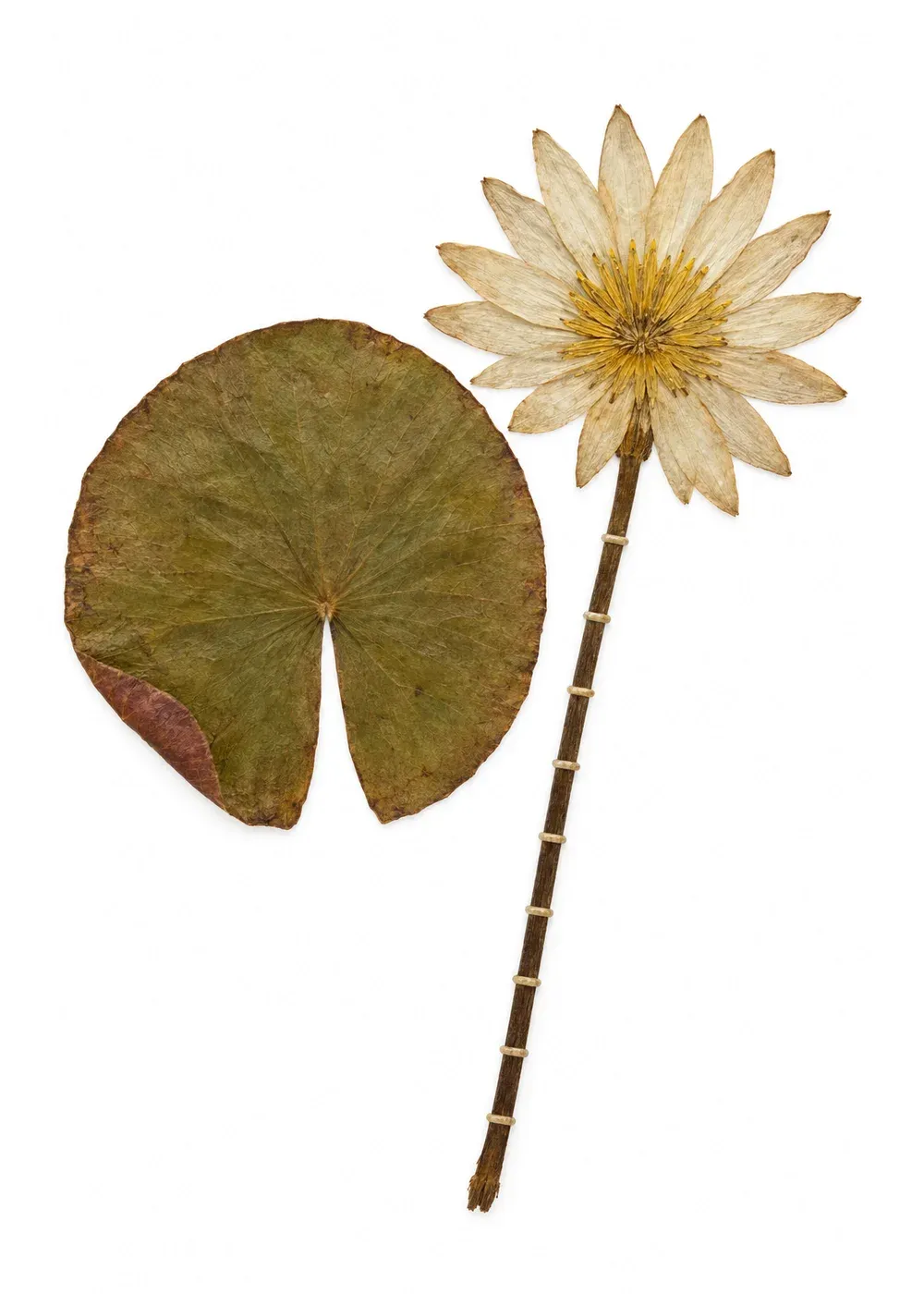
Grace Lily
Nymphaea moratoria
A Lapland water lily that, for the nine weeks it is in flower, stops every legal deadline in sight of its pond: tax, leases and evictions.
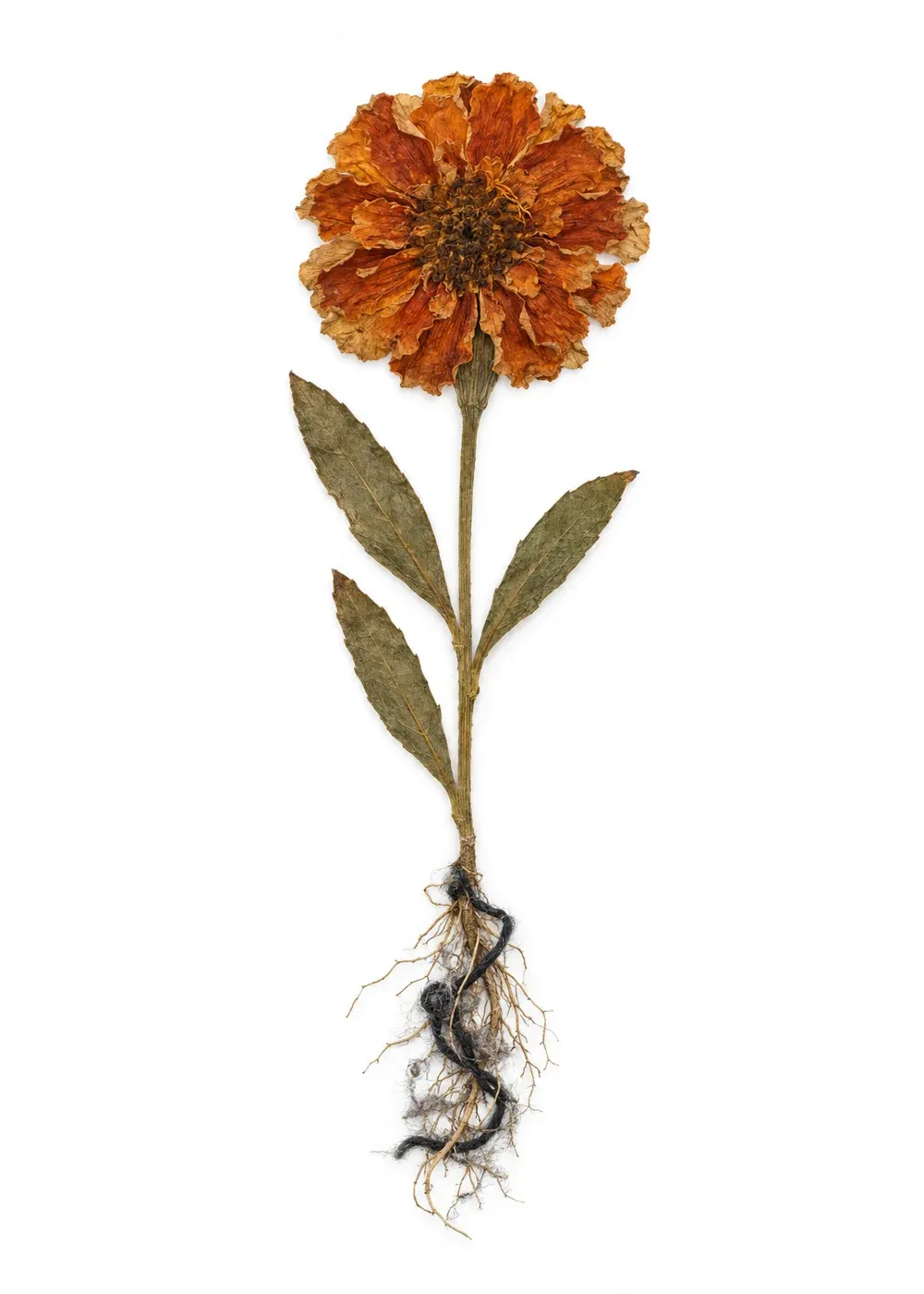
Funeral Laughter
Calendula hilarans
A marigold that sprouts only at funerals and makes the mourners remember something funny about the dead.
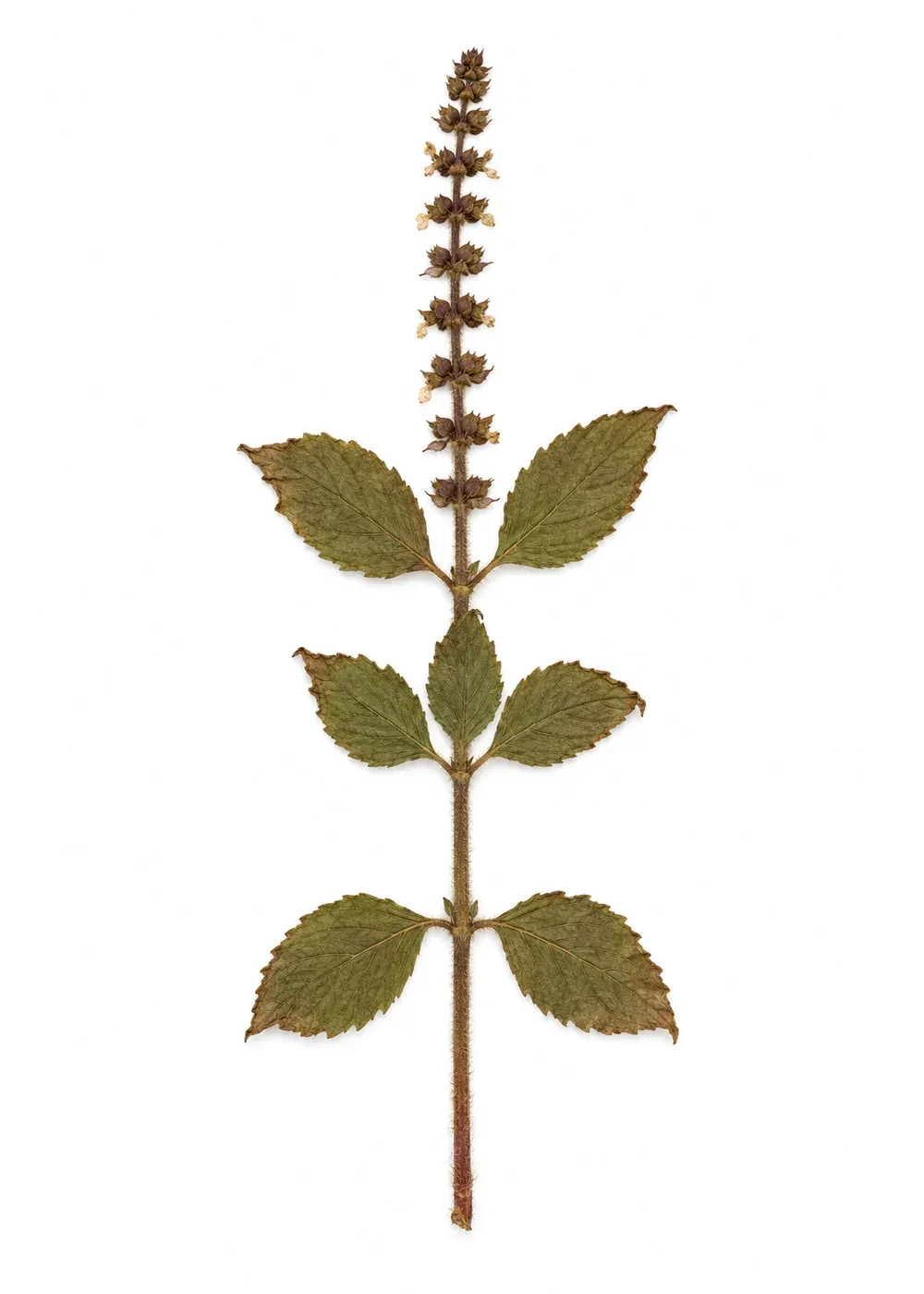
Extra Place Basil
Ocimum gratissimum
A fokontany-office basil from Toamasina adds one name to every list made beside it: a living person no register has ever recorded.